
An 18 foot garage door needs a 3/4 HP or 1 HP chain, belt, or jackshaft opener — a 1/2 HP unit typically isn’t strong enough for a door this wide. Width matters more than most homeowners expect, since an 18-foot door weighs considerably more than a standard 9 or 10-foot single door, even with similar panel materials.
Getting this wrong is a common and expensive mistake. An undersized opener on a wide door works at first, then burns out early, strains the door’s hardware, or simply struggles noticeably every time it runs.
This guide covers the horsepower and drive type that actually works for 18-foot doors, plus how door material changes the math. In our experience, most burned-out openers on wide doors were undersized from the day they were installed, not worn out from age.
Short Answer: For an 18 foot garage door, use a 3/4 HP opener as the minimum for lighter doors (aluminum or thinner steel), and step up to 1 HP or a jackshaft opener for heavier doors made of solid wood, insulated steel, or with added reinforcement. Belt drive is quieter for attached garages; chain drive handles the extra load reliably for detached garages.
Why Width Changes the Horsepower Math
DASMA’s industry guidelines note that opener sizing should always match door weight and usage. Garage door openers are rated by how much lifting force they can reliably provide, and wider doors need more of it — not because width alone adds weight, but because 18-foot doors are almost always heavier, insulated, double-car doors rather than lightweight single-car panels.
A 1/2 HP opener, the standard choice for many 8 or 9-foot single doors, is regularly underpowered for 18-foot doors. The motor works harder on every cycle, which shortens its lifespan and can cause the door to open or close more slowly than it should.
Horsepower Guide by Door Weight
| Door Type | Approximate Weight | Recommended HP |
|---|---|---|
| Aluminum or lightweight steel, uninsulated | 150–250 lbs | 3/4 HP |
| Insulated steel, standard double-car | 250–350 lbs | 3/4–1 HP |
| Solid wood or heavily reinforced steel | 350–450+ lbs | 1 HP or jackshaft |
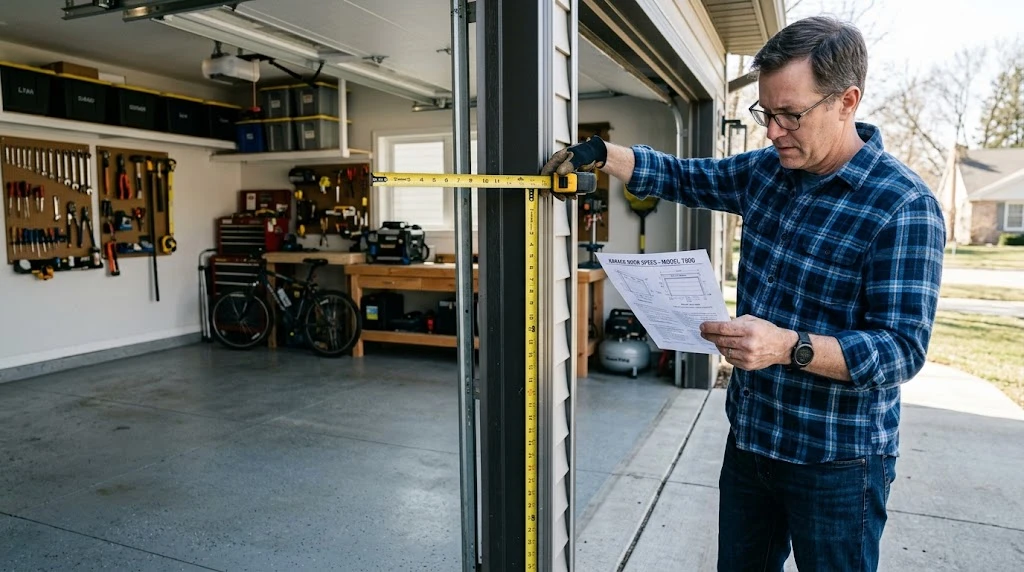
If you’re not sure of your door’s exact weight, check the manufacturer’s spec sheet or the label often found on the inside of the top panel. When in doubt, sizing up half a step protects the motor from constant strain.
Drive Type Considerations for Wide Doors
| Field | Detail |
|---|---|
| Belt Drive | Quietest option, best for garages attached to living space |
| Chain Drive | Most durable under heavy load, best for detached garages |
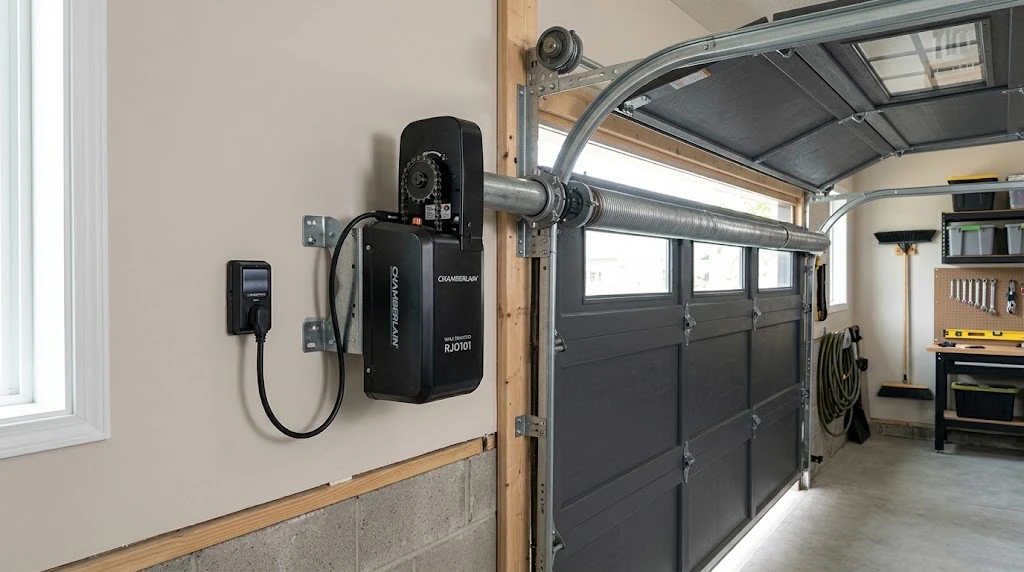
| Jackshaft | Mounts beside the door instead of overhead, ideal for tall ceilings or limited headroom |
Jackshaft openers are worth considering for 18-foot doors specifically because the extra width often pairs with taller ceilings or workshop garages where an overhead rail isn’t practical. They also distribute lifting force differently, which some installers prefer for wider, heavier doors.
Single vs Double Opener Setup
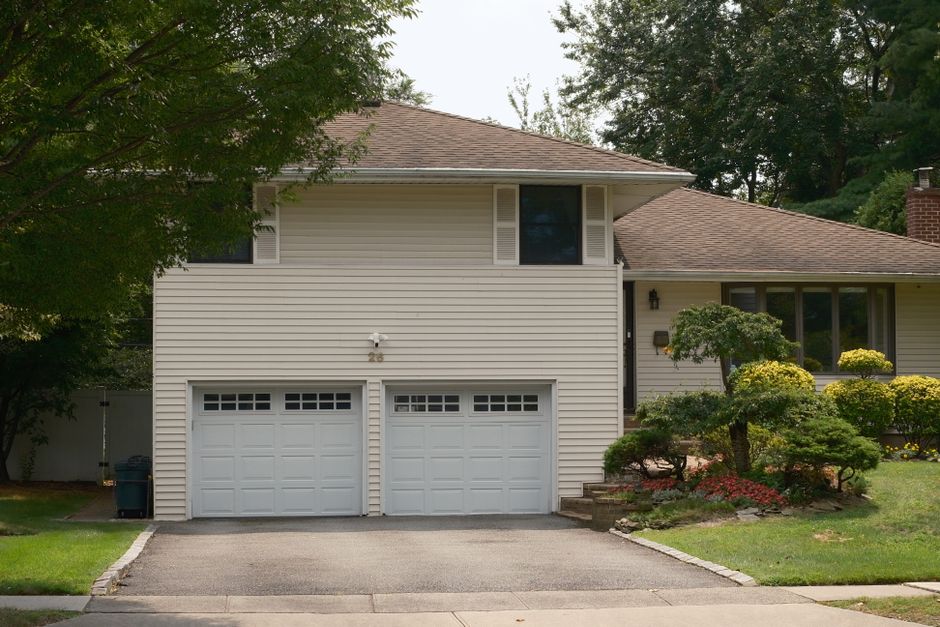
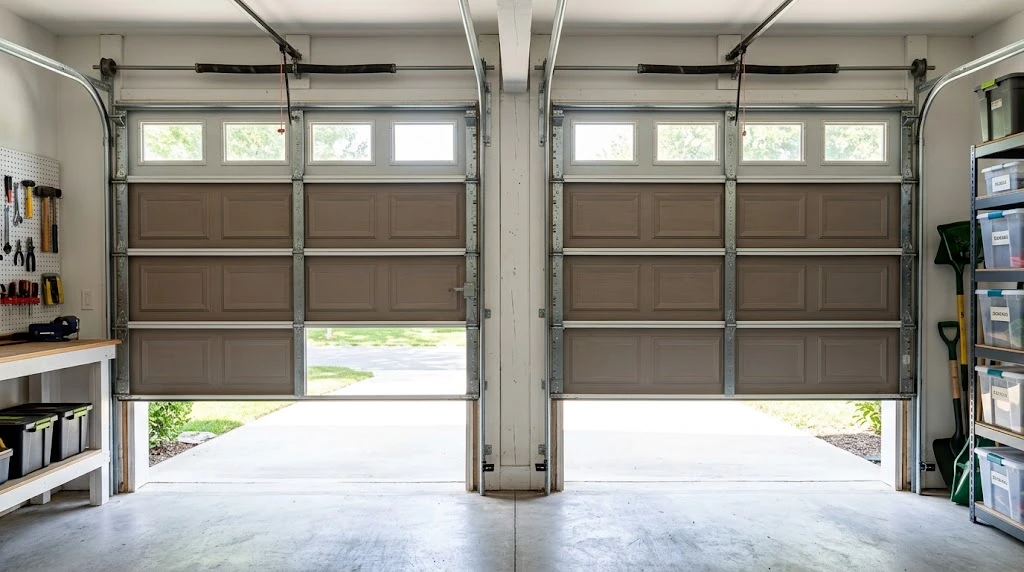
Some 18-foot openings actually use two separate 9-foot doors rather than one continuous 18-foot door. This changes the math significantly — two properly sized 1/2 HP openers can handle what a single wide door would need one larger unit for.
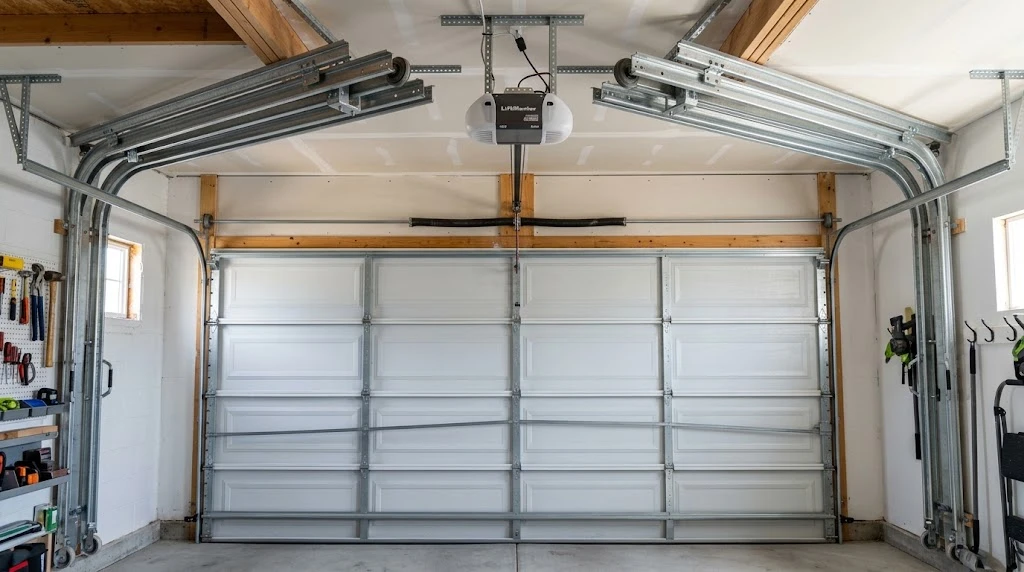
Check whether your opening is a true single 18-foot door or two doors side by side before buying anything. A single door needs the horsepower guidance above; two separate doors can often use standard-sized openers matched to each door’s individual weight.
Common Mistakes That Shorten Opener Life
The most common mistake is buying based on price rather than door weight. A budget 1/2 HP unit might cost less upfront, but replacing a burned-out motor within a year or two costs more overall than buying the right size the first time.
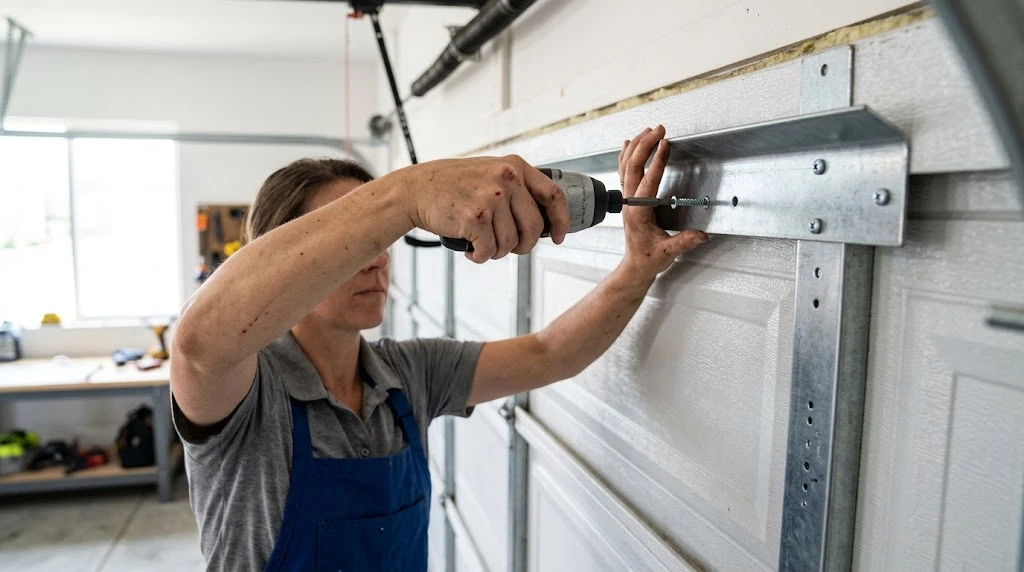
Another mistake: not reinforcing the door itself when installing a new, more powerful opener. Heavier openers put more stress on the door’s top panel, and older or thinner doors sometimes need added reinforcement to handle a stronger unit safely.
Skipping the door’s spring balance check is also common. Even the correctly sized opener struggles if the door’s springs aren’t properly balanced — always verify smooth manual operation before installing any new opener. If you’re unsure whether 1/2 HP would have been enough, our 1/2 HP opener guide covers when that size falls short.
Cost Expectations for 18-Foot Door Openers
| Opener Type | Typical Cost Range |
|---|---|
| 3/4 HP chain or belt drive | $200–$350 |
| 1 HP chain or belt drive | $300–$500 |
| Jackshaft opener | $400–$700 |
Installation typically adds $150–$300 in labor if you’re hiring a professional, though most 3/4 and 1 HP openers are within reach for an experienced DIY installer already familiar with garage door systems.
What to Do Next
Weigh or estimate your door’s weight using the manufacturer’s spec sheet first, then match it against the horsepower guide above. If your door is on the heavier end or you’re unsure, sizing up to 1 HP or considering a jackshaft opener avoids the early burnout problems that come with undersizing.
Frequently Asked Questions
Is 3/4 HP enough for an 18 foot garage door?
For lighter 18-foot doors — aluminum or uninsulated steel — yes, 3/4 HP is usually sufficient. For heavier insulated steel or solid wood doors, 1 HP or a jackshaft opener is a safer choice to avoid straining the motor.
Do I need a jackshaft opener for a wide garage door?
Not necessarily, but jackshaft openers work well for 18-foot doors in garages with tall ceilings or limited overhead rail space. They mount beside the door rather than above it, which some installers prefer for wider, heavier doors.
What happens if my garage door opener is too weak for the door?
An underpowered opener works harder on every cycle, which shortens motor life significantly. You may also notice slower operation, more noise, or the opener struggling visibly, especially on lift-off from the closed position.
How much does an opener for an 18 foot garage door cost?
A 3/4 HP chain or belt drive opener typically runs $200 to $350. Stepping up to 1 HP costs $300 to $500, and jackshaft openers run $400 to $700, before installation labor if you’re hiring a professional.
Should I reinforce my garage door before installing a stronger opener?
If your door is older, thinner, or wasn’t originally built for opener automation, reinforcement is worth checking before installing a more powerful unit. Added stress from a stronger opener can stress an unreinforced top panel over time. See our step-by-step reinforcement guide before installing a heavier unit.
Is my 18 foot opening one door or two separate doors?
Check the header wall above the opening — a single continuous track and header usually means one wide door, while a center support post or divider indicates two separate doors. This distinction changes your opener sizing significantly, since two 9-foot doors need less power per unit than one true 18-foot door.
Related Guides
For our garage door sizing and dimension guides, see 16 vs 18 Foot Garage Door: Which Size Is Best, 7 Foot vs 8 Foot Garage Door Comparison, 8′ Garage Door Header Size Guide, Ceiling Height for 10 Ft Garage Door, How Heavy Is a Double Garage Door?, How Much Does a 16×7 Garage Door Weigh?, Garage Door 45 Degree Corners and What Size Header Do I Need for a 16 Foot Garage Door?.