
For a 16 foot garage door, you need a header that’s typically a double or triple 2×12, or an engineered LVL beam, sized to span the full opening plus bearing length on each side. The exact size depends on your roof load, snow load, and whether the wall above is load-bearing.
This is one of the most common framing questions builders and DIY homeowners run into. Get the header wrong, and you risk a sagging opening, cracked drywall above the door, or worse — a structural failure under snow load.
This guide breaks down what size header a 16 foot garage door actually needs, how load factors change the math, and when you need an engineer to sign off.
Short Answer: A 16 foot garage door typically needs a header made from double or triple 2×12 lumber, or a engineered LVL beam, depending on the load above it. Non-load-bearing walls can sometimes use a smaller built-up header, but most 16-foot openings under a roof load require an engineered beam. Always check your local building code and load calculations before finalizing size.
Why 16 Feet Changes the Math
Header sizing isn’t linear — doubling the span doesn’t just double the header size. Structural loads increase with the square of the span in some calculations, which is why a 16-foot opening needs a much heavier header than an 8-foot one, not just twice as heavy.
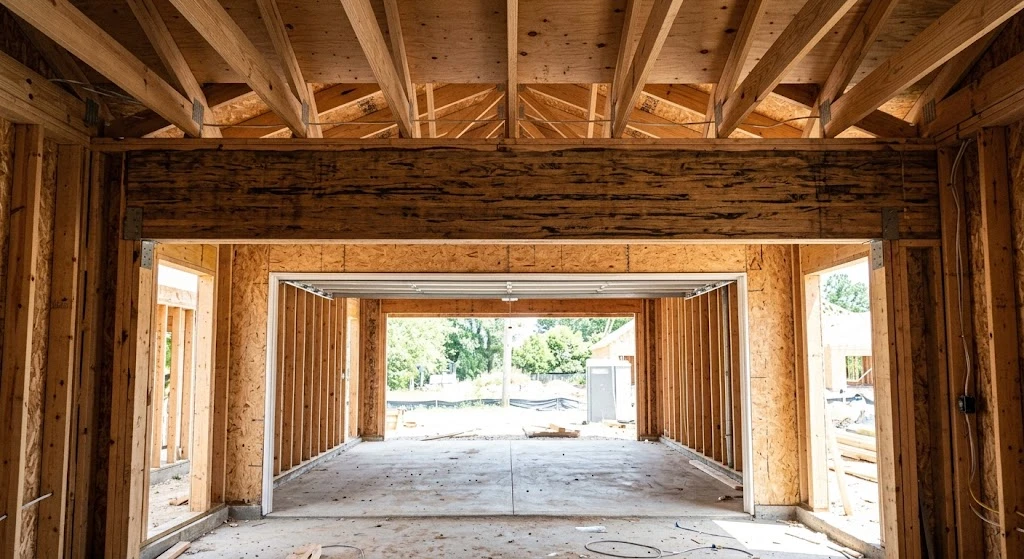
Most standard garage doors run 8, 9, 10, or 16 feet wide. The 16-foot double-car door is the most common width where homeowners suddenly need engineered lumber instead of standard dimensional 2x lumber.
This is closely related to work covered in our garage door installation in a cinder block wall guide, where header sizing also plays a critical role. Skipping this step is the single biggest mistake in garage additions and renovations. A header sized for an 8-foot opening will not hold up a 16-foot span, even if it “looks” similar on paper.
Header Options for a 16 Foot Span
| Header Type | Typical Use | Approximate Cost |
|---|---|---|
| Triple 2×12 built-up | Light roof load, non-snow regions | $150–$300 in lumber |
| LVL (laminated veneer lumber) | Standard roof load, most residential builds | $400–$900 |
| Steel I-beam or flitch beam | Heavy snow load, long spans, upper floor above | $800–$2,000+ |
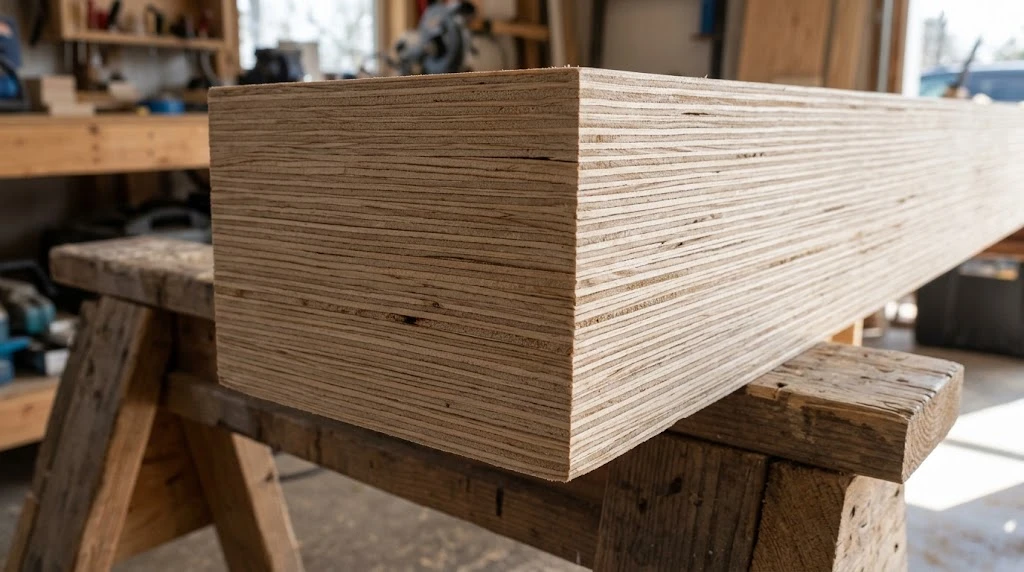
LVL beams are the most common choice for 16-foot garage door headers in new construction. They’re engineered for consistent strength, unlike dimensional lumber which varies with wood grain and moisture content.
Load-Bearing vs Non-Load-Bearing Walls
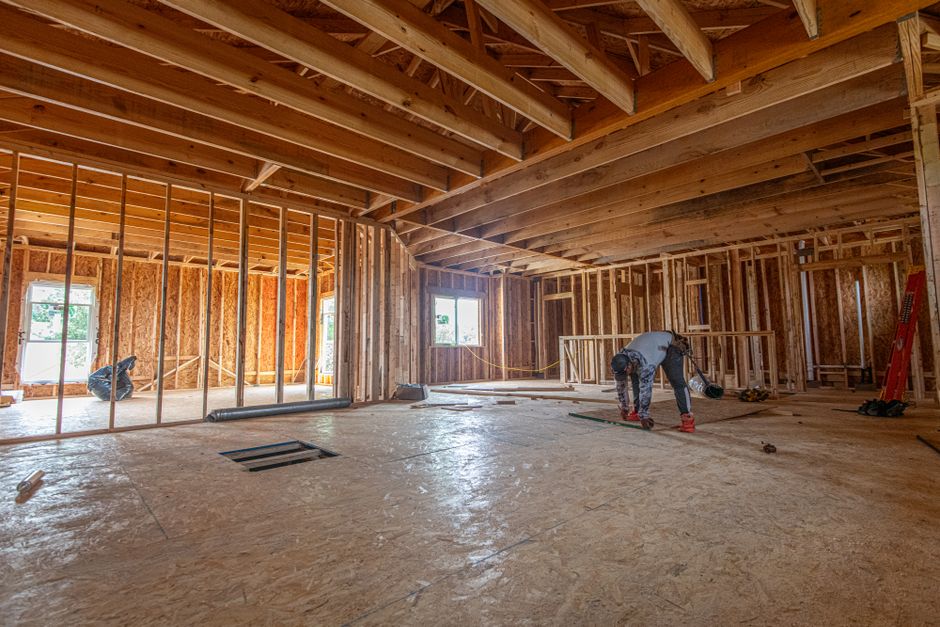
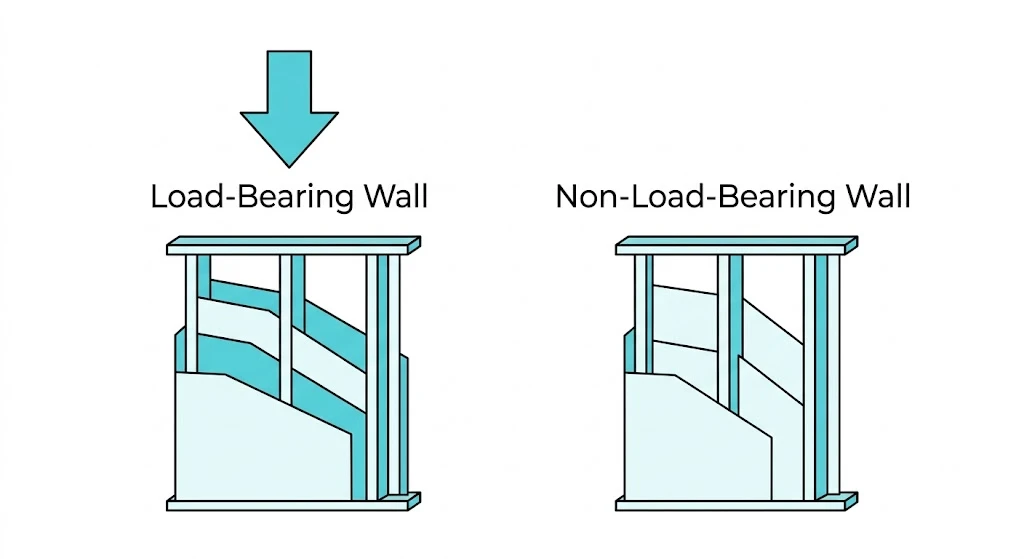
This is the detail that trips people up. If the wall above your garage door carries roof trusses, a second story, or significant snow load, you need a substantially larger header than a wall that’s purely decorative or holds nothing above it.
| Field | Detail |
|---|---|
| DIY Suitability | Professional or engineer required for load-bearing headers |
| Safety Risk Level | High if undersized — structural failure risk |
| Typical Header Depth | 11.25″–14″ for LVL on 16-foot span |
| Installation Time | 1–2 days including temporary shoring |
If you’re working with a smaller 8-foot opening instead, our 8-foot garage door header size guide covers that span specifically. Never assume a wall is non-load-bearing without checking. Roof trusses, floor joists above, or even a heavy snow load region can turn what looks like a simple wall into a critical structural element.
Snow Load and Regional Building Code Factors
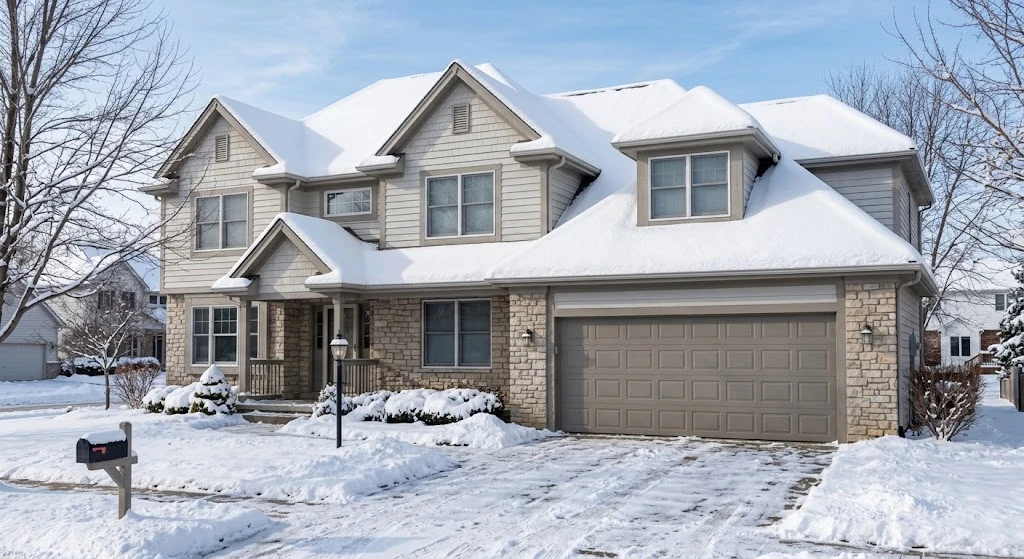
Your local snow load rating changes header sizing significantly. A 16-foot header in Florida, with minimal snow load, can be smaller than the same span in Minnesota or Colorado, where roof snow loads regularly exceed 40-50 pounds per square foot.
The International Residential Code R602.7 header span tables are the standard reference most building departments use. Building departments publish local load requirements — always pull a permit and check your jurisdiction’s specific snow load and wind load factors before finalizing header size. This isn’t a step to skip, even on a garage that seems like a low-stakes structure.
Working With an Engineer or Truss Manufacturer
For any 16-foot header carrying real roof or floor load, get an engineered beam calculation. Most lumber yards that sell LVL beams offer free sizing calculations if you provide your span, load, and local snow load data.

This service usually costs nothing if you’re buying the beam from them, and it protects you from an undersized header that could cost far more to fix later than the beam itself costs upfront.
Common Mistakes to Avoid
The most common mistake is using standard 2×12 built-up lumber for a load-bearing 16-foot span when an LVL beam was actually required. This looks fine initially but can sag or crack drywall within a year or two under real load.
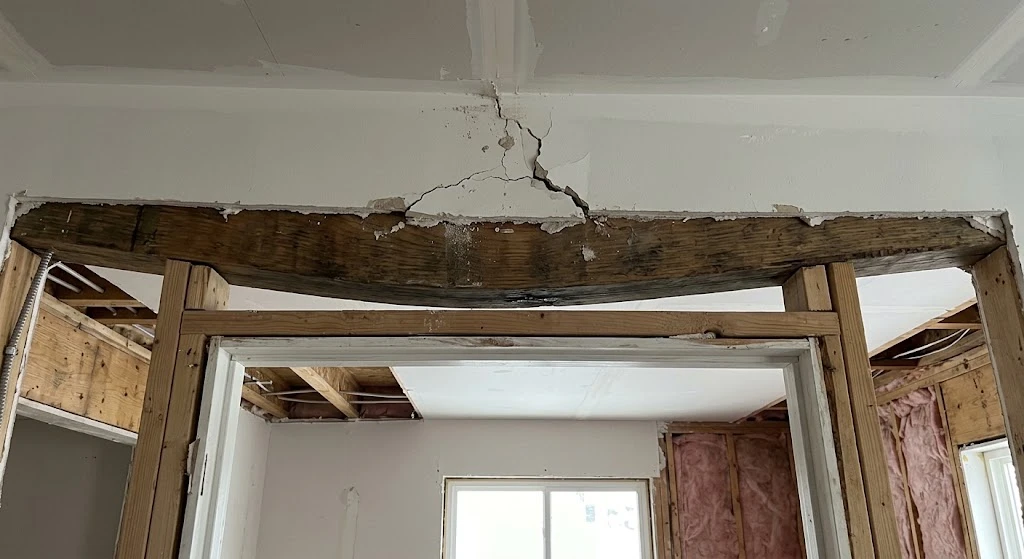
Another mistake: skipping temporary shoring during header installation. The existing wall structure needs support while the old header is removed and the new one installed — removing structural support without shoring risks a partial collapse.
In our experience answering questions about garage framing, most callback complaints trace back to skipping the engineered beam calculation to save a small amount on lumber — the cost difference rarely justifies the risk on a 16-foot span.
What to Do Next
Pull your local snow load and wind load data first, then take your span measurement to a lumber yard or engineer for a proper header calculation. Don’t guess on a 16-foot span — the cost difference between an undersized and properly sized header is small compared to the risk.
Frequently Asked Questions
Can I use a double 2×12 for a 16 foot garage door header?
Only if the wall above carries minimal load and your local building code allows it. Most 16-foot spans under real roof load need an engineered LVL beam or triple 2×12 at minimum. Check with your local building department before finalizing.
How much does a header for a 16 foot garage door cost?
An LVL beam sized for a standard 16-foot residential garage door typically costs $400–$900 for the material alone. Steel beams for heavier loads can run $800–$2,000 or more depending on size and local pricing.
Do I need an engineer to size a garage door header?
For load-bearing walls carrying roof trusses or a second story, yes. Most lumber yards offer free engineered beam sizing if you’re purchasing an LVL beam from them, which covers this requirement without a separate engineering fee.
What’s the difference between LVL and dimensional lumber headers?
LVL (laminated veneer lumber) is engineered for consistent strength across its full length, unlike standard dimensional lumber which varies with wood grain. LVL is the standard choice for spans over 10-12 feet under real structural load.
How thick does a header need to be for a 16 foot span?
Typical LVL header depth for a 16-foot span runs 11.25 to 14 inches, depending on load. Exact depth depends on your specific roof load, snow load region, and the LVL manufacturer’s span tables.
Related Guides
For our garage door sizing and dimension guides, see 16 vs 18 Foot Garage Door: Which Size Is Best, 7 Foot vs 8 Foot Garage Door Comparison, 8′ Garage Door Header Size Guide, Ceiling Height for 10 Ft Garage Door, How Heavy Is a Double Garage Door?, How Much Does a 16×7 Garage Door Weigh?, Garage Door 45 Degree Corners and What Size Garage Door Opener Do You Need for 18 Foot Door?. For our installation and framing guides, see How to Reinforce a Garage Door for an Opener and Garage Door in a Grain Bin.