
Your detached garage door won’t open — and unlike an attached garage, you have no back door, no interior access, and no way in except through that door. Whether the opener is dead, the spring snapped, or a storm left it jammed shut, this guide covers every fix in order from the easiest to the most serious.
Why Detached Garage Doors Are Different
Attached garages give you a backup entry through the house. Detached garages don’t. When the door won’t open, you are locked out entirely — which changes your troubleshooting priorities. You need to work from outside the garage, which rules out some fixes and makes others more urgent.
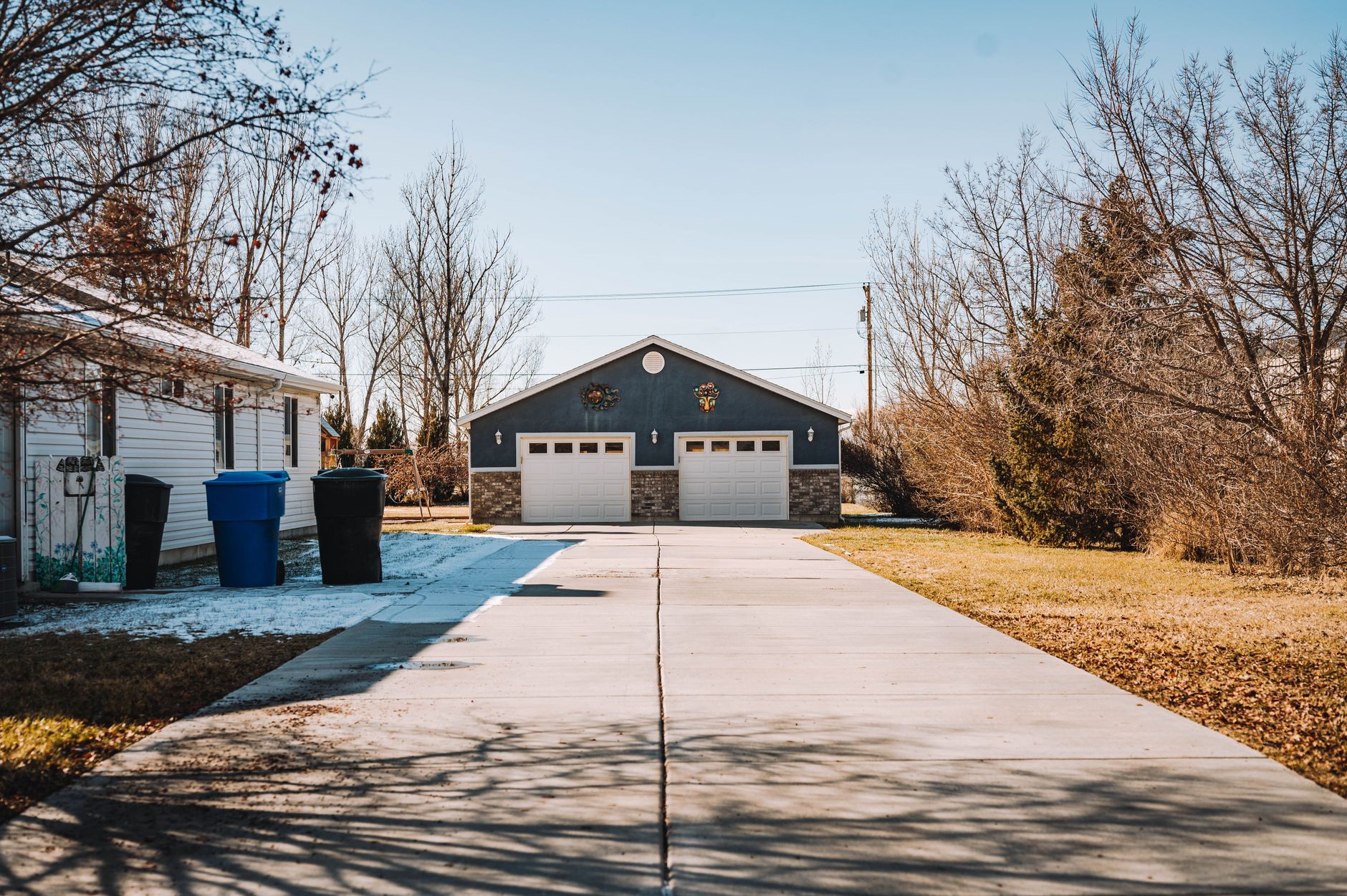
Detached garages also have different electrical setups. Power usually runs from the house through a subpanel or a single dedicated circuit. A tripped breaker, a loose connection at the subpanel, or a GFCI outlet that tripped can cut power to the opener without anything in the main house panel showing a problem. This is one of the most commonly missed causes.
Start Here: Quick Checks Before You Do Anything Else
Run through these in order. Most detached garage door problems are solved at step one or two.
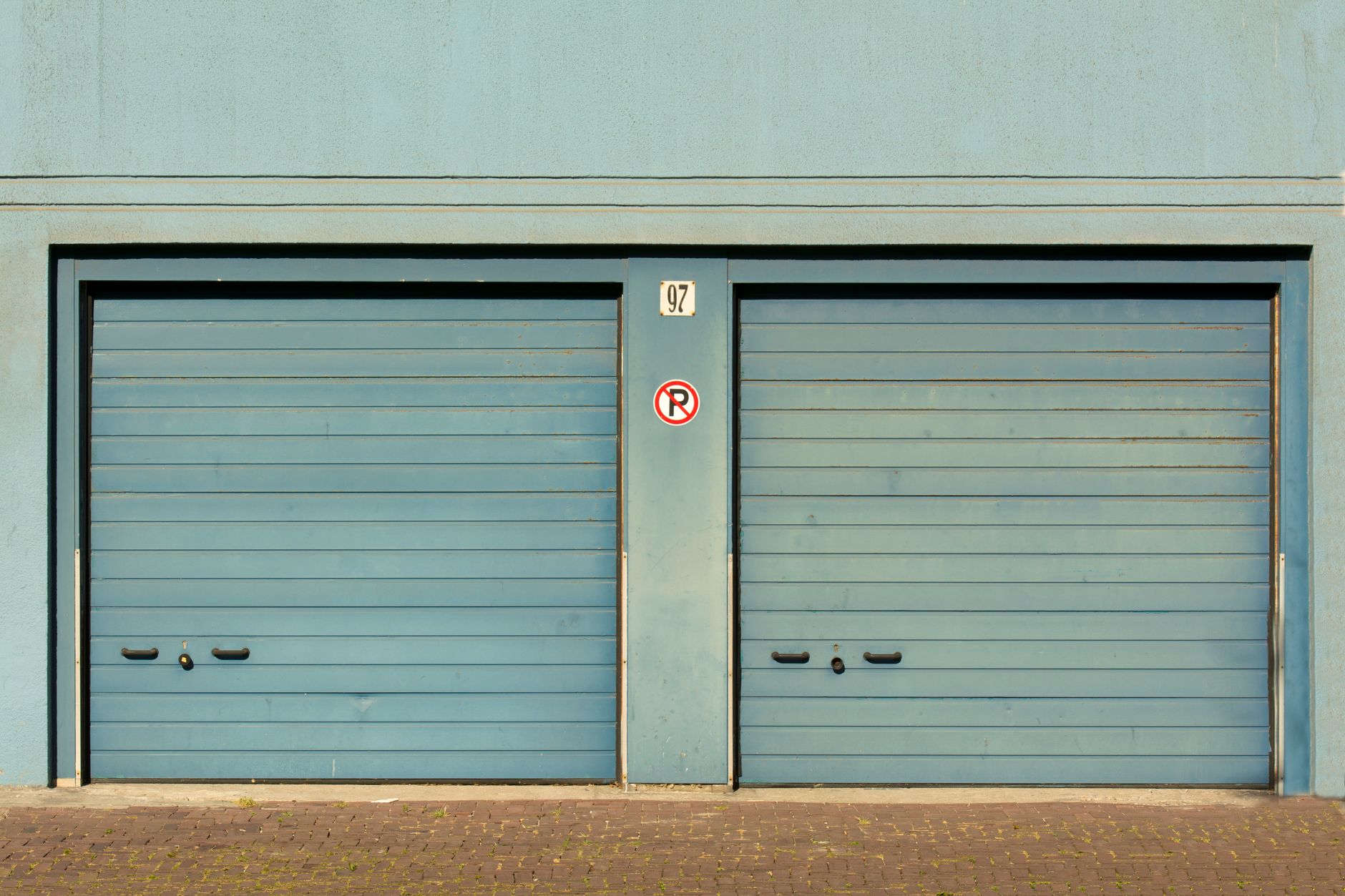
1. Check the Power Supply
Detached garage openers lose power more often than attached ones because the electrical run is longer and usually goes through a separate subpanel. Check all of the following:
- Is the opener plugged in? Vibration from the motor can slowly work a plug loose over months.
- Check the GFCI outlet. Many garages have a GFCI outlet near the opener. If it tripped, the opener gets no power. Press the reset button on the outlet.
- Check the subpanel in the garage. Look for a tripped breaker inside the garage itself, not just the main house panel.
- Check the main panel. If the garage runs off a dedicated circuit, that breaker may have tripped.
If the opener has no lights, no sound, and no response at all, power is almost certainly the issue. See our full guide on whether your garage door opener needs a dedicated circuit — detached garages especially benefit from one.
2. Try the Wall Button
If you can get inside the garage through a window or side door, press the wall button. If the door opens from the wall button but not the remote, the problem is the remote — dead battery, lost pairing, or signal obstruction. If nothing works from the wall button either, the problem is the opener itself or the power supply.
3. Check the Remote Battery and Range
A weak or dead battery in the remote is the most common reason a garage door won’t open — and the easiest fix. Replace the battery first before assuming something is broken. Most remotes use a CR2032 coin battery or a 9V battery depending on the model.
Also check if the remote has lost its programming. After a power outage, some openers need their remotes re-paired. If the opener’s light flashes but the door doesn’t move when you press the remote, re-pairing is likely the fix. Our guide on programming a garage door opener without a learn button covers the process for older models.
Detached Garage Door Won’t Open: Problem by Problem
Opener Motor Runs But Door Won’t Move
If you can hear the motor running but the door stays put, the trolley has likely disconnected from the door. This happens when someone pulls the emergency release cord (the red cord hanging from the opener rail) and the trolley never re-engaged.
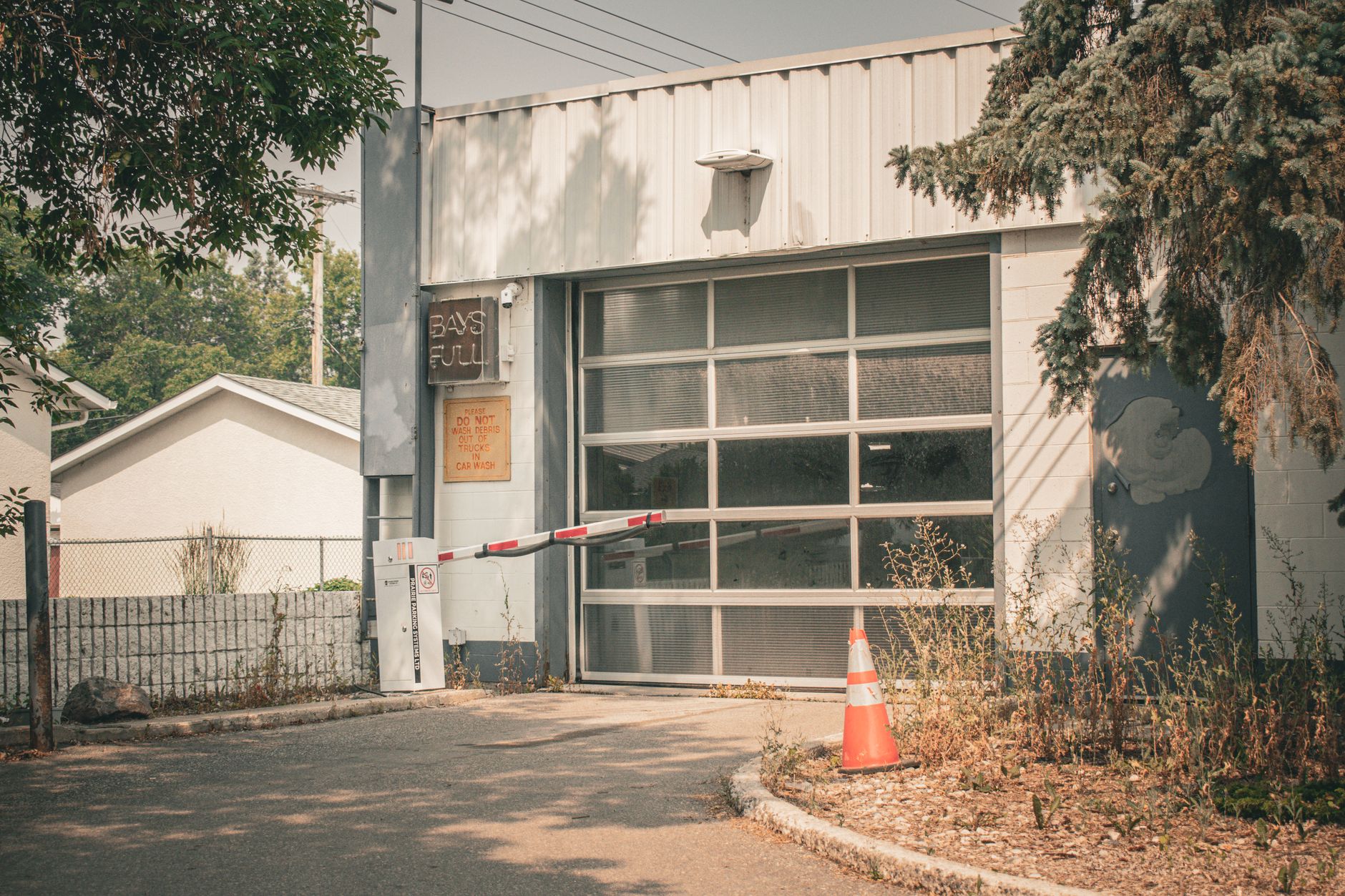
Fix: Pull the emergency release cord toward the door (not straight down). You should hear a click as the trolley re-engages with the drive system. Then press the wall button or remote — the door should move normally.
Door Is Locked From the Inside
Many garage doors have a manual slide bolt or locking bar on the inside. If this is engaged, the opener motor will run but the door will not budge. From outside, you have limited options:
- If there is a window in the garage, reach in and manually disengage the lock.
- If there is a side entry door, use that to get inside and release the lock.
- If neither is available and you are certain the lock is engaged, the lock cylinder on the exterior handle can sometimes be picked or bypassed — or a locksmith can help.
Also check your wall control panel for a lock or vacation mode button. If it was accidentally pressed, it will disable the remote. Press and hold it to deactivate.
Door Won’t Open After a Storm
Storms cause several problems at once. High winds can push the door off its tracks. Lightning can trip breakers or fry the opener’s circuit board. Heavy rain can swell wooden door panels so they bind in the frame.
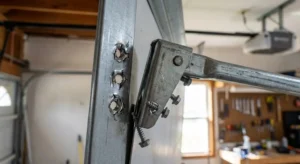
- Check the tracks for visible damage or misalignment. A door that is shifted to one side will bind in the track and refuse to move.
- Check the opener board. A lightning surge can damage the logic board even if no breaker tripped. If the opener has power but shows no response at all, the board may be fried.
- Check for debris jammed under the door or in the track.
Broken Spring
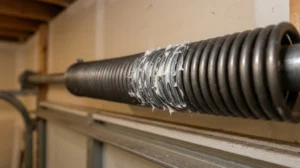
A broken spring is the most serious cause. Garage door springs counterbalance the weight of the door — a standard double garage door weighs 150 to 250 pounds. Without a working spring, the opener cannot lift it, and neither can you safely.
Signs of a broken spring:
- A loud bang from the garage (the spring snapping)
- The door feels extremely heavy when you try to lift it manually
- The opener strains or stops partway up
- A visible gap in the torsion spring above the door
Do not attempt to replace torsion springs yourself. They are under extreme tension and can cause serious injury. Call a garage door technician. This is one repair where professional help is genuinely necessary.
Sensors Blocking the Door
Safety sensors sit near the floor on each side of the door. If they are misaligned, blocked by dirt, or have a broken wire, the opener will not let the door close — and in some cases will not open it either. Look for a blinking light on one of the sensors, which signals misalignment. Wipe the lenses and adjust the sensor brackets until both lights are solid. Our garage door sensor troubleshooting guide covers every blink pattern.
How to Open a Detached Garage Door Manually From Outside
If you are locked out with no power and no way in, here is what to try:
- Look for an emergency release kit. Some garage doors have an external emergency release — a small lock cylinder on the outside of the door or above it. Insert the key and pull the cable to disengage the trolley, then lift the door manually.
- Check for a window. Even a small window lets you reach the emergency release cord inside.
- Check for a side door. A detached garage should have a pedestrian entry door if code requires it. If yours does, use it.
- Call a locksmith. If none of the above apply and the door is truly locked with no access, a locksmith can often open the exterior lock cylinder faster and more safely than forcing the door.
Related Guides
For more general opener troubleshooting guides, see How to Fix Garage Door Jerks When Opening?, 5 Best Solutions for Garage Door Leaking Corners, How to Use A Garage Door Opener App Without Hardware?, What to do when Garage Door Opener Screws Pulled out of Door, Attaching Garage Door Opener Clip for Thick Visor, How to Fix Garage Door Opener Rail Bending Problems, Is a Solar Powered Garage Door Opener Worth It?, Best Position for Garage Door Lighting Placement, Can You Replace Garage Door With French Doors? and Do All Garage Doors have a Learn Button?.
For official manufacturer guidance, see the Door and Access Systems Manufacturers Association (DASMA).
Frequently Asked Questions
Why won’t my detached garage door open with the remote?
The most common causes are a dead remote battery, lost programming after a power outage, or the opener’s antenna being obstructed. Replace the battery first, then try re-pairing the remote using the Learn button on the opener motor unit.
Can I open my detached garage door manually if the power is out?
Yes, if you can get inside the garage. Pull the red emergency release cord to disconnect the door from the opener, then lift the door by hand. If the door feels extremely heavy, a spring may be broken and you should not force it.
Why does my detached garage door opener run but the door won’t move?
The trolley is likely disconnected from the door. Pull the emergency release cord toward the door until you hear a click, then try the opener again. If the door still won’t move, the drive belt, chain, or screw may be broken.
What should I do if my detached garage door won’t open after a storm?
Check the subpanel in the garage for a tripped breaker first. Then inspect the tracks for damage or debris. If the door is visibly off-track or the opener has no response despite power being restored, call a technician before attempting to force it open.
How do I know if my garage door spring is broken?
You likely heard a loud bang when it snapped. The door will feel extremely heavy if you try to lift it manually, and you may see a gap in the torsion spring coil above the door. Do not try to operate the door until the spring is replaced by a professional.
The Bottom Line
A detached garage door that won’t open usually comes down to five things: no power, a disconnected trolley, a locked door, a broken spring, or misaligned sensors. Work through each cause in order and you will find the problem. The one exception is a broken torsion spring — leave that to a professional. Everything else on this list is a genuine DIY fix.