

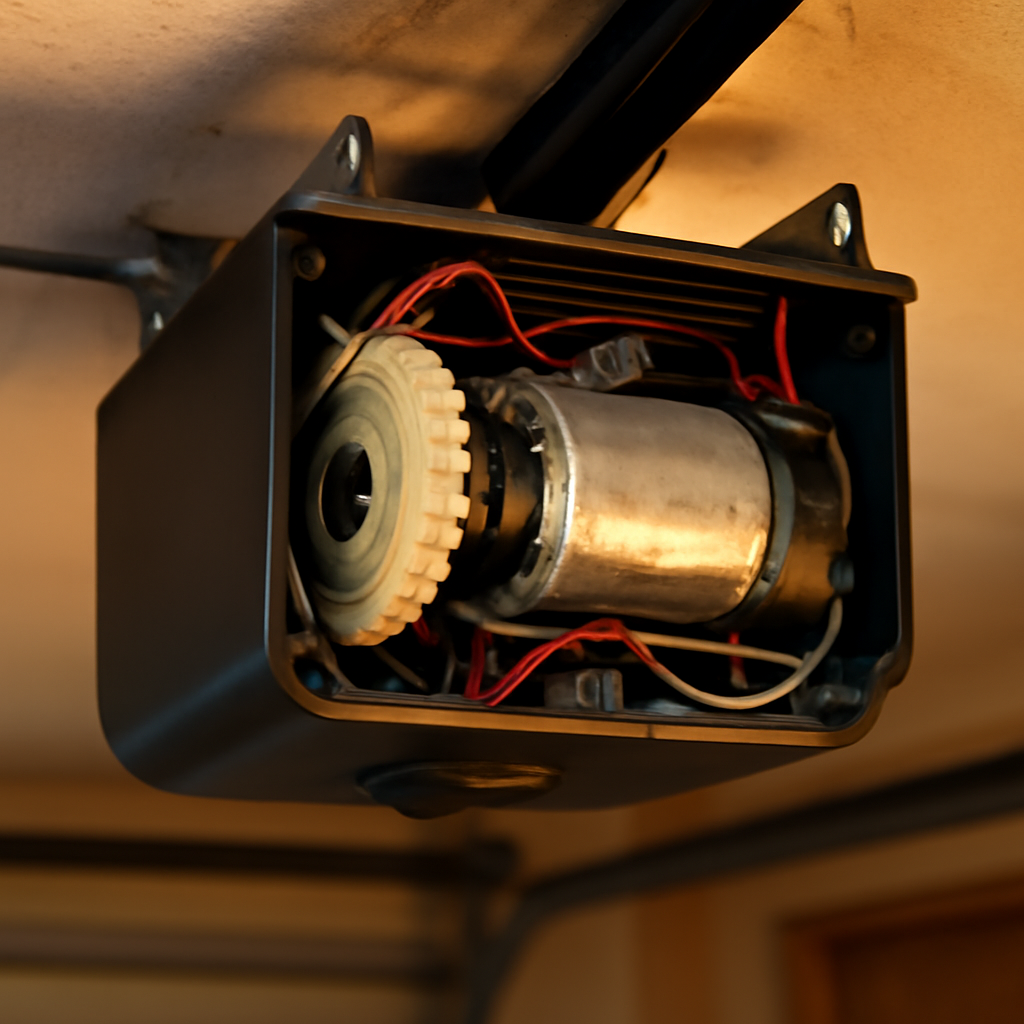
Your Genie garage door opener trips a breaker, or you’re sizing a circuit for a new install, and you need a real number. Most Genie garage door openers draw between 3 and 6 amps while running, with a brief inrush spike of 8 to 12 amps at startup.
That range covers almost every residential Genie model, from older chain-drive units to the newer DC belt-drive openers. The exact figure depends on the motor type, the horsepower rating, and how old your door’s springs are — a door that’s hard to lift makes the motor work harder and pull more current.
Below, you’ll find real amp figures by drive type, the breaker size Genie actually requires, whether a generator can handle the load, and how to check your own opener’s draw with a $20 meter. In our experience, most breaker trips people blame on a bad opener actually trace back to a shared circuit, not the motor itself.
Short Answer: A Genie garage door opener typically draws 3 to 6 amps while running on a standard 120-volt circuit, with a momentary inrush of 8 to 12 amps when the motor starts. Genie requires a dedicated 15-amp circuit for installation. Check the data plate on your specific unit for the exact rated amperage, since it varies by model and horsepower.
How Many Amps Does a Genie Garage Door Opener Actually Draw?
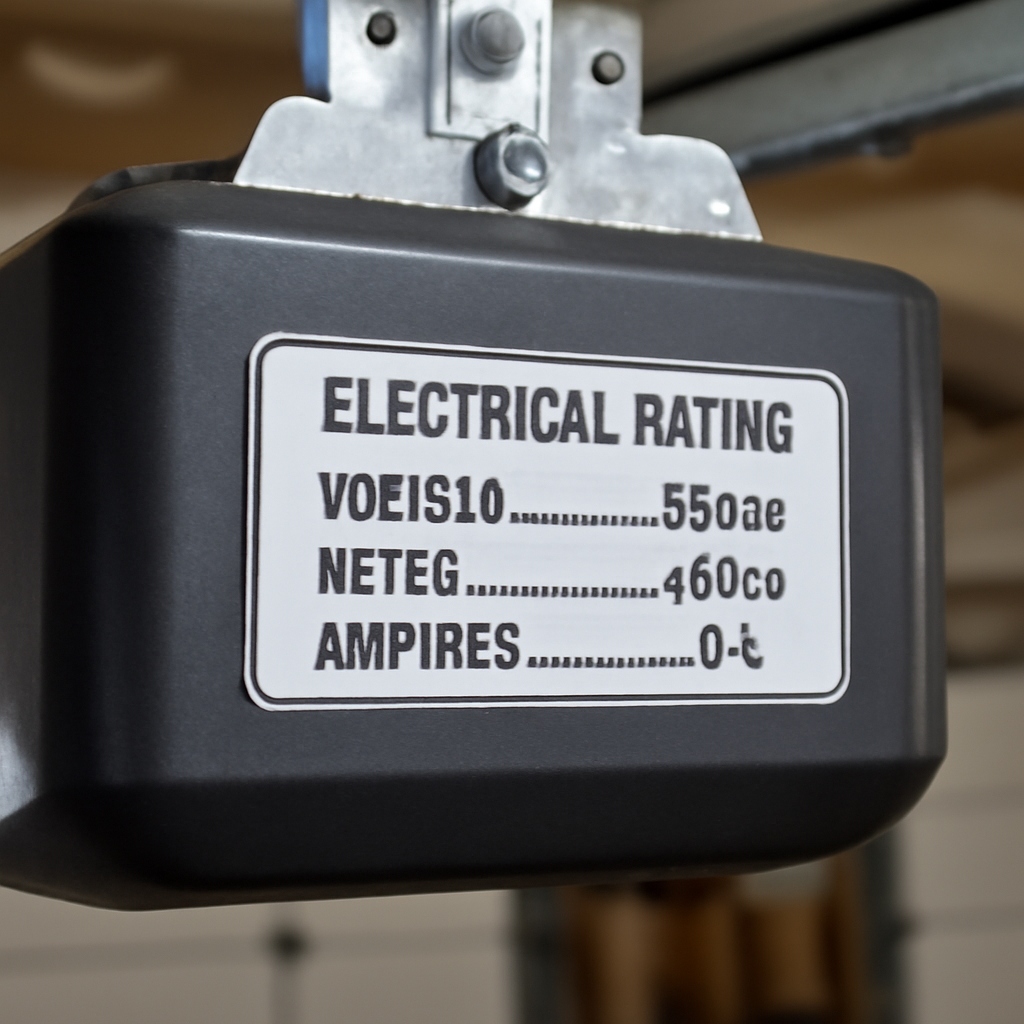
Genie sells three main drive types, and each pulls a slightly different load. None of these numbers are locked in stone — always check the silver or white data plate on the motor housing for the exact figure on your unit.
| Drive Type | Typical Running Amps | Typical Inrush Amps | Common Genie Models |
|---|---|---|---|
| Chain Drive (AC motor) | 4.5–6.0 A | 10–12 A | Chainlift 550, ChainMax 1000 |
| Belt Drive (AC motor) | 4.0–5.5 A | 9–11 A | QuietLift Connect |
| DC Belt Drive (soft-start) | 3.0–4.5 A | 6–9 A | StealthDrive Connect, Signature Series |
Notice the DC models pull less on startup. That’s because they use a soft-start motor controller instead of an AC motor kicking on at full power. If you’re on an older circuit that’s marginal, a DC opener is easier on it. Horsepower rating plays a role here too — if you’re shopping for a new unit, it helps to know whether ½ HP is enough for your door before you factor in amp draw.
For the bigger picture on what this actually costs you, see our breakdown of how much electricity a garage door opener uses over a month of normal use.
An old, unbalanced door skews every one of these numbers upward. If your springs are worn out and the door feels heavy when you lift it by hand, the opener is fighting that weight on every cycle. That extra strain shows up as extra amps, and it wears the motor out faster too.
Running Amps vs. Starting (Inrush) Amps — Why the Difference Matters
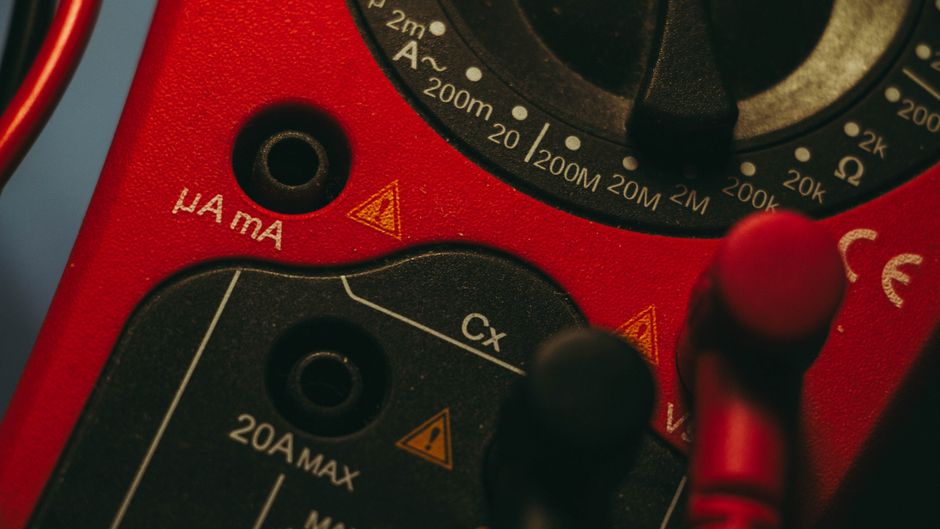
Running amps are what the motor pulls once it’s moving at normal speed. Inrush amps are the short spike — usually under half a second — when the motor first kicks on and has to overcome the door’s resting weight.
This distinction trips people up when they’re sizing a generator or an extension cord. A device rated at 5 running amps might momentarily pull 10 or 11 amps for a fraction of a second. Most breakers won’t trip from that, because breakers are built to tolerate brief spikes. But an undersized generator or a cheap inverter can stall or shut down right at that moment.
Here’s a mistake we see often: someone measures amp draw with a basic multimeter while the door is already moving, gets a low number, and assumes that’s the whole story. A clamp meter that captures peak inrush tells you the real story — and it’s the number that matters for generator and wiring decisions.
What Circuit and Breaker Size Your Genie Opener Needs
| Field | Detail |
|---|---|
| Required Circuit | Dedicated 120V, 15-amp circuit (per Genie installation manuals) |
| Shared Outlets Allowed? | No — the receptacle should serve the opener only |
| GFCI Required? | Yes, in most jurisdictions under current NEC garage receptacle rules |
| DIY Suitability | Professional required if new wiring is needed |
| Safety Risk Level | Medium to High (working inside a panel) |
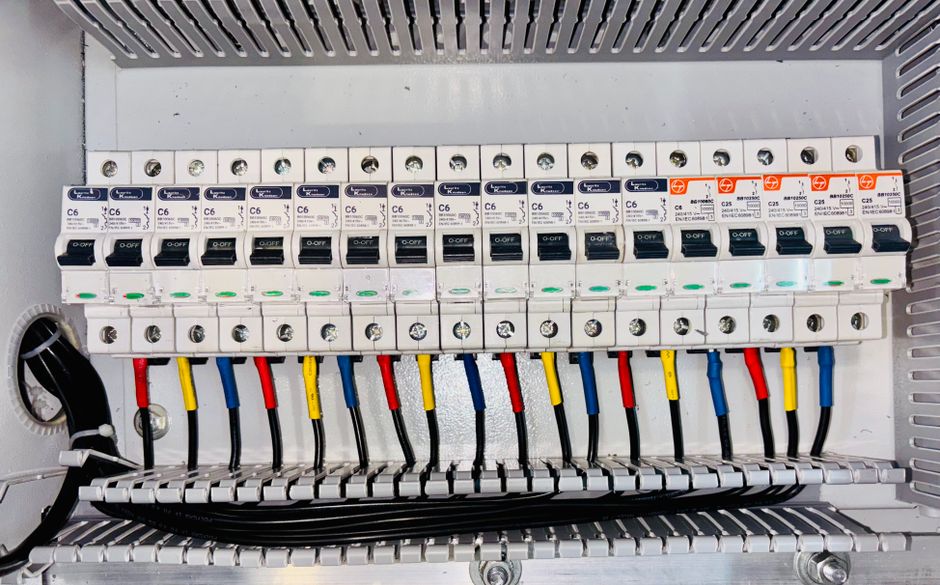
Genie’s installation instructions call for a dedicated 15-amp, 120-volt grounded circuit for every residential opener. Dedicated means nothing else — no shop lights, no fridge, no chargers — pulls from that same breaker.
Running the opener on a shared circuit with a chest freezer or a shop vacuum is a common way to get nuisance trips. The freezer’s compressor kicks on, the door opener starts at the same moment, and the combined inrush pushes the breaker past its limit.
If your garage was wired decades ago and the receptacle near the opener also feeds your workbench outlets, that’s worth fixing before you blame the opener for tripping breakers. Adding a dedicated circuit is a licensed electrician’s job — this isn’t a DIY panel task if it means running new wire back to the breaker box.
Can You Run a Genie Garage Door Opener on a Portable Generator?

Yes, most portable generators handle a Genie opener without trouble. The running load — 3 to 6 amps, or roughly 360 to 720 watts at 120V — is small next to what a typical portable generator produces.
The number that actually matters is the surge or starting wattage rating on the generator, not the running wattage. A generator rated for 2,000 running watts should have a surge rating high enough to absorb an opener’s brief inrush spike without stalling, but a bargain inverter generator with a thin surge margin can hesitate for a second when the motor kicks on.
If you’re running the opener alongside other appliances during an outage — a sump pump, a refrigerator, a few lights — add up their running watts first, then leave headroom for whichever appliance’s motor starts last. Starting the garage door opener before other big loads kick on avoids stacking two inrush spikes on top of each other.
If backup power is a recurring worry rather than a one-time outage, it’s worth reading whether a solar-powered garage door opener makes more sense than running a generator every time the grid goes down.
How to Check Your Opener’s Actual Amp Draw Yourself
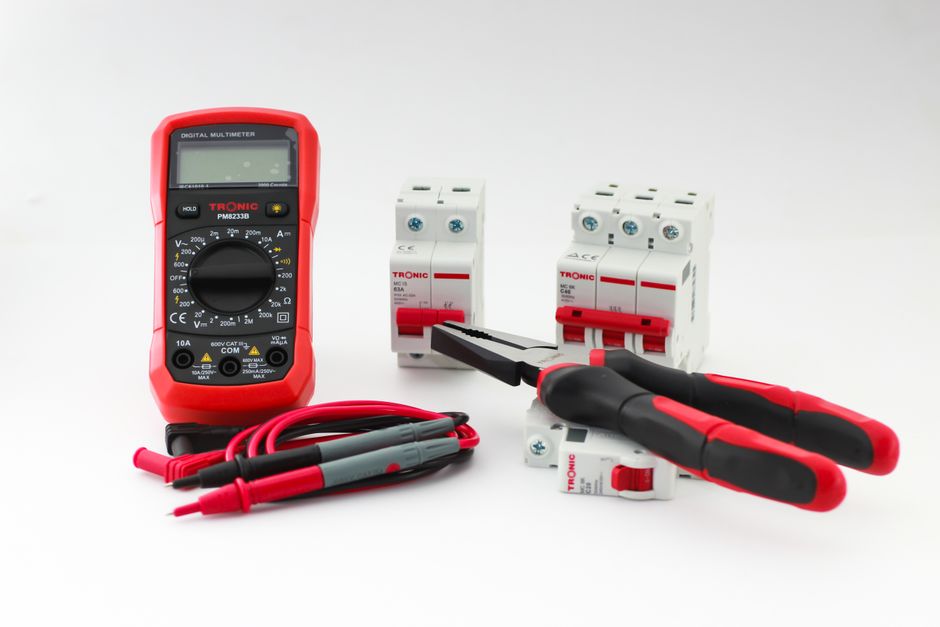
A clamp meter is the easiest tool for this job, and decent ones start around $25. Here’s the process:
- Turn off power at the breaker before touching any wiring.
- Clamp the meter around one conductor (not both) feeding the opener’s power cord or junction box.
- Restore power and set the meter to its peak-hold or inrush-capture mode if it has one.
- Run the door through a full open-close cycle and read both the peak (inrush) and steady-state (running) values.
- Repeat with the door disconnected from the opener, running just the motor, to isolate a heavy door from a failing motor.
If the running number is noticeably higher than the ranges in the table above — say 8 or 9 amps steady, not just at startup — something’s wrong. That’s usually a worn motor, a door that’s fighting bad springs, or a rail that needs lubrication, not a normal reading.
When High Amp Draw Signals a Real Problem
| Symptom | Probable Cause | DIY Suitability | Repair Cost Range |
|---|---|---|---|
| Breaker trips every cycle | Shared circuit, failing motor, or dead-short in wiring | Professional required | $100–$300 |
| Motor runs hot, draws high steady amps | Worn bearings or capacitor failing | Professional required | $150–$350 (or replace unit) |
| Door strains, opener works harder than usual | Unbalanced door, worn springs | Professional required (springs are under tension) | $150–$300 |
| Rail binding, chain or belt drags | Dry rail, misaligned trolley | Safe for DIY | $10–$20 (lubricant) |
Springs are the one item on this list you should never touch yourself. A torsion spring holds enough stored energy to cause serious injury if it lets go while you’re working on it. Everything else here — checking the rail, lubricating the chain, tightening a loose trolley — is safe to handle on your own.
If your Genie opener hums but the door won’t move, that’s often a separate issue from amp draw — usually a stuck limit switch or a capacitor that’s given out, rather than a wiring problem.
Frequently Asked Questions
How many amps does a Genie garage door opener use?
Most Genie residential openers draw 3 to 6 amps while running, with a brief inrush spike of 8 to 12 amps at startup. DC belt-drive models with soft-start motors typically pull less than older AC chain-drive units. Check your unit’s data plate for the exact rating.
Can I plug my Genie opener into a regular outlet?
Yes, as long as that outlet is on its own dedicated 15-amp circuit, as Genie’s installation manual requires. Plugging it into an outlet shared with other appliances increases the risk of nuisance breaker trips, especially if another motor starts at the same time.
Will a Genie garage door opener trip a GFCI outlet?
It can, occasionally, especially on older openers or during humid weather when moisture affects the circuit. A properly functioning modern opener on a correctly wired GFCI circuit shouldn’t trip regularly — repeated trips usually point to a wiring or motor issue worth having checked.
What size generator do I need to run a Genie garage door opener?
A generator with at least 1,500 running watts and a healthy surge rating comfortably covers a Genie opener’s running and inrush load. If you’re powering other appliances at the same time, add their running watts together and start the opener before other heavy loads kick on.
Why does my Genie opener draw more amps than the label says?
The most common cause is a heavy or unbalanced door forcing the motor to work harder than it was designed to. Worn springs, a dry rail, or a failing capacitor can all push amp draw above the rated figure, even when the wiring itself is fine.
Related Guides
For other Genie opener guides, see Genie Garage Door Sensor Blinking Red 3 Times, Genie Garage Door Opener Won’t Close Unless Hold Button, Genie Garage Door Opener No Learn Button: DIP Switch Fix, Genie Garage Door Sensor Blinking Red, Genie Garage Door Opener Beeping, Genie Garage Door Limit Switch Problems, Genie Cryptar II Garage Door Opener, Genie Model 450 Garage Door Opener, Best Genie Garage Door Opener and Does Genie Garage Door Opener Work With LiftMaster?.
For official electrical code guidance on dedicated circuits, see the National Electrical Code (NFPA 70).