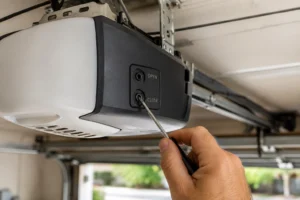


If your garage door opener is grinding, struggling, or just plain dying, a 1/2 HP chain drive garage door opener is probably the upgrade you need. It’s the most common opener size for standard residential doors, and it’s tough enough to handle daily use for years.
Picking the wrong opener means a noisy garage, a motor that strains on cold mornings, or a unit that burns out in three years instead of fifteen. The right one runs quietly, lifts smoothly, and just works.
We’ve tested specs, read thousands of owner reviews, and compared the top chain drive models on the market today. Here’s what actually works.
Short Answer: The best 1/2 HP chain drive garage door openers for most homeowners are the Chamberlain B4505T and the Genie ChainMax 1000. Both lift doors up to 7 feet tall and 350 pounds, run on a steel chain for durability, and include rolling code security plus smartphone control. Expect to pay between $150 and $230 installed, with most homeowners completing DIY installation in 2 to 3 hours.
This post contains affiliate links. If you buy through our links, we may earn a small commission at no extra cost to you. We only recommend products we’d use ourselves.
What Is a 1/2 HP Chain Drive Opener, and Who Needs One?
A 1/2 HP (half-horsepower) chain drive opener uses a metal chain, similar to a bike chain, to pull the trolley that opens and closes your garage door. It’s the workhorse option for single garage doors and lighter double doors.
Chain drives are louder than belt drives. That’s the tradeoff for the price. If your garage sits below a bedroom, you’ll hear it. If your garage is detached or far from living space, the noise doesn’t matter much.
1/2 HP is the right power level for doors up to about 350 pounds. That covers most standard steel, wood, and insulated single doors between 7 and 8 feet wide.
| Door Type | Recommended HP | Why |
|---|---|---|
| Single, lightweight (steel, no insulation) | 1/2 HP | Plenty of power, lowest cost |
| Single, insulated or wood | 1/2 HP to 3/4 HP | Extra weight needs more torque |
| Double, heavy or insulated | 3/4 HP or 1 HP | 1/2 HP will overwork and wear out fast |
If you’re not sure how heavy your door is, check the manufacturer label on the door’s edge. Most carry the weight rating printed right there.
Our Top Picks for 1/2 HP Chain Drive Garage Door Openers
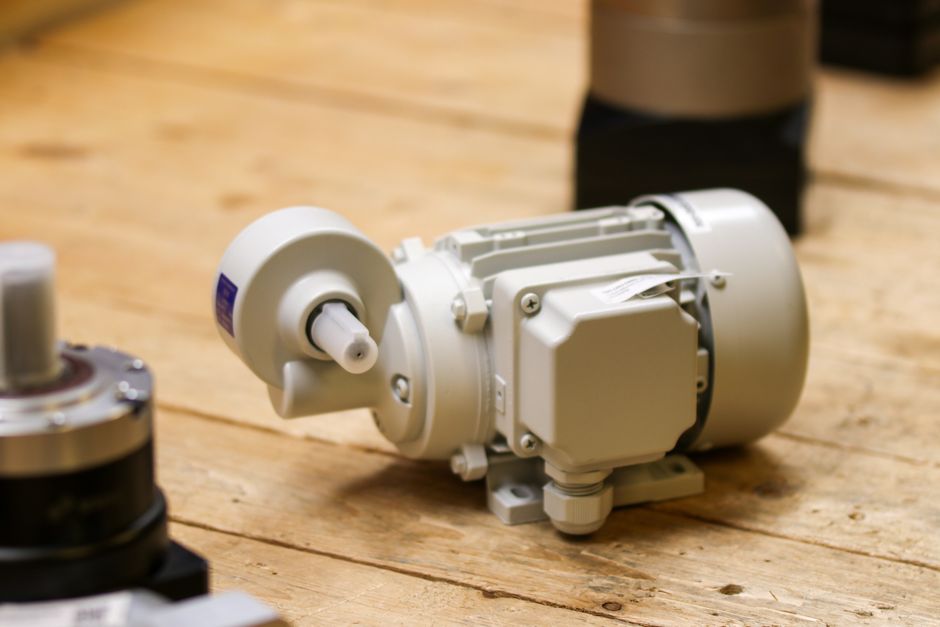
We focused on motors that handle daily cycling without overheating, chains that won’t stretch within the first year, and brands with parts that are easy to find later.
Chamberlain B4505T — Best Overall
The B4505T is Chamberlain’s mid-range chain drive, and it’s the one we recommend most often. It includes MyQ smart control built in, so you can open and close your door from your phone without buying a separate hub.
It comes with two remotes, a wall control panel, and a rolling code security system that changes the access code after every use. This stops thieves from copying your signal with a code grabber. If you ever need to add another remote later, the learn button makes pairing simple.
Genie ChainMax 1000 — Best Value
The ChainMax 1000 is a no-frills, dependable opener. If you don’t care about smart features and just want something that opens your door reliably, this is it.
Genie has been making garage door hardware since 1954, and replacement parts for their openers are widely available at hardware stores. That matters if something needs fixing five years down the road.
LiftMaster 8500W — Best for Detached Garages
The 8500W is a wall-mount jackshaft opener rather than a traditional overhead unit, which makes it ideal for garages with high ceilings or limited overhead clearance. It still uses 1/2 HP chain-drive power, just mounted differently.
This model works well if your garage doesn’t share a wall with living space, since you won’t be bothered by the chain noise anyway.
Installation: What to Expect
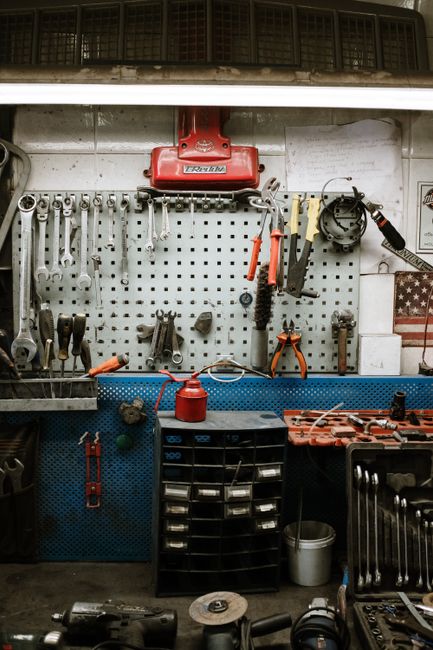
Most 1/2 HP chain drive openers come with a printed manual and a clear step-by-step process. If you’re comfortable with basic tools and have a helper, you can do this yourself.
| Symptoms | Probable Causes | DIY Suitability | Safety Risk Level | Repair Time Estimate |
|---|---|---|---|---|
| New installation needed | Old opener failed or upgrading | Safe for DIY with helper | Medium | 2-3 hours |
You’ll need a ladder, a drill, basic hand tools, and a way to measure the header above your door. The trickiest part is squaring the rail and getting the travel limits set correctly.
Safety risk comes mainly from working overhead with the spring-loaded door. Never disconnect the opener while the door is in the down position with springs under tension unless you know what you’re doing. If your door has a broken spring, fix that first, separately, before installing a new opener.
Before you wire anything in, make sure your outlet setup meets code. Most garage door openers need a dedicated circuit under NEC rules, and skipping this can trip breakers or fail an inspection.
Total cost for a DIY install: $150 to $230 for the opener itself, plus maybe $20 for hardware you don’t already have. Professional installation typically runs $100 to $200 in labor on top of the unit cost.
Common Mistakes Homeowners Make
The biggest mistake we see is buying based on price alone and ending up with an opener that’s underpowered for an insulated door. The motor runs hot, the chain stretches faster, and the whole unit wears out in two or three years instead of ten or fifteen.
The second mistake is skipping the safety sensor alignment. The two photo eye sensors near the bottom of the track must point directly at each other. If they’re even slightly off, the door won’t close, or worse, it won’t stop if something is in the way.
Third: not lubricating the chain. A dry chain squeaks, binds, and wears the gears in the motor head faster. A light coat of white lithium grease on the chain twice a year keeps things smooth.
Maintenance That Extends the Life of Your Opener
A well-maintained 1/2 HP chain drive opener can easily run 10 to 15 years. Most failures come down to neglect, not bad luck.
- Lubricate the chain every 6 months with white lithium grease, not WD-40.
- Check and tighten the chain tension once a year. A loose chain causes a banging noise on start and stop.
- Test the safety reverse feature monthly by placing a piece of wood in the door’s path.
- Replace remote batteries before they die completely, since weak batteries cause intermittent signal issues.
- Keep the photo eye sensors clean. Dust and cobwebs block the beam.
Smart Features Worth Paying For
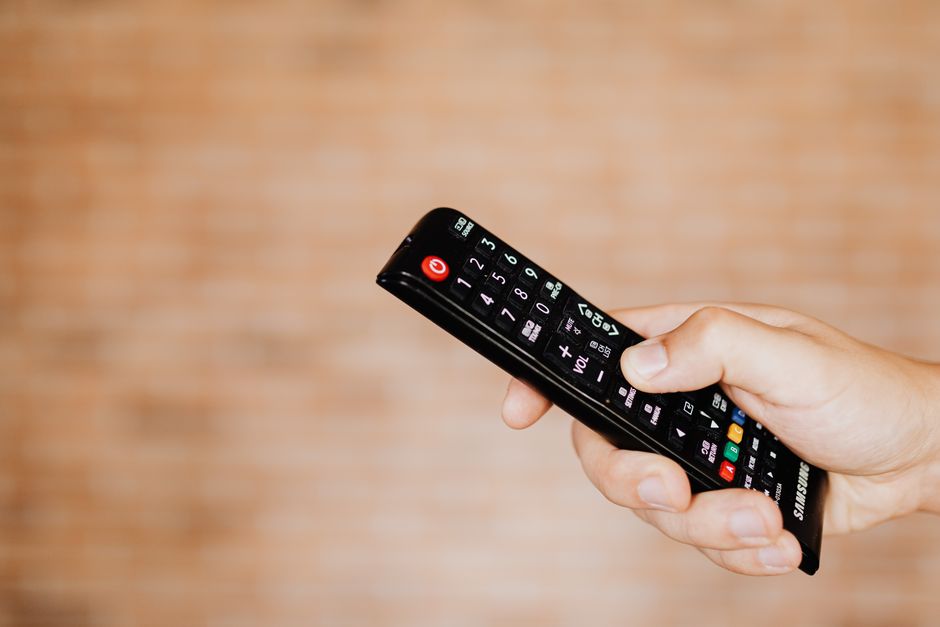
Built-in Wi-Fi, like Chamberlain’s MyQ, lets you check whether your garage door is open from anywhere. This is genuinely useful if you’ve ever driven away wondering if you closed it.
Battery backup is another feature worth considering if your area gets frequent power outages. It lets the opener run for several hours on battery power, so you’re never stuck unable to get your car out.
Rolling code security is standard on nearly every modern opener now, but it’s worth confirming. Older fixed-code openers from the 1990s and earlier are vulnerable to code grabbing devices.
Frequently Asked Questions
Is a 1/2 HP garage door opener strong enough for a double door?
It depends on the door’s weight. A lightweight steel double door without insulation might work, but most insulated or wood double doors need 3/4 HP or 1 HP. Check your door’s weight rating before deciding.
How long does a 1/2 HP chain drive opener typically last?
With regular lubrication and proper tension, expect 10 to 15 years of reliable use. Openers that run hot from being underpowered, or that are never maintained, often fail within 3 to 5 years.
Can I install a chain drive opener myself?
Yes, most homeowners can install one in 2 to 3 hours with basic tools and a helper. The manual walks you through rail assembly, mounting, and setting travel limits. Just be careful working near the spring-loaded door.
Why is my chain drive opener so loud?
Chain drives are naturally noisier than belt drives because metal links rub against the gear sprocket. Lubricating the chain regularly and tightening loose chain tension both help reduce noise significantly.
What’s the difference between a chain drive and a belt drive opener?
A chain drive uses a metal chain for power and costs less, but runs louder. A belt drive uses a rubber-and-fiberglass belt, runs quieter, but typically costs $30 to $60 more for the same horsepower.
Do I need a professional for a 1/2 HP opener installation?
Not necessarily. If your door springs are in good condition and you’re comfortable with ladders and basic wiring, DIY is safe. If your springs are damaged or you’re not confident working overhead, hire a professional for $100 to $200 in labor.
Related Guides
For our other buying guides, see Best Garage Door Insulation for Hot Climates, Best Retractable Garage Screen Doors, Best Magnetic Garage Door Screen, Best Garage Door Hinges, Best Screw Drive Garage Door Opener, Best Lubricant for Garage Door Hinges, Best 3/4 HP Belt Drive Garage Door Opener, Best Garage Door Opener for Heavy Doors, Best Alexa-Enabled Garage Door Opener and Best Garage Door Openers With WiFi.