
The best garage door hinges are ones you never have to think about — they move quietly, hold their alignment through thousands of cycles, and don’t crack or corrode after two winters. Most homeowners only notice their hinges when something goes wrong: a grinding noise, a door that sags on one side, or a cracked hinge that’s about to fail.
This guide covers the best replacement hinges for standard sectional garage doors, what the hinge numbers actually mean, and how to replace them yourself in under an hour.
This post contains affiliate links. If you buy through our links, we may earn a small commission at no extra cost to you. We only recommend products we’d use ourselves.
Quick Answer
Short Answer: For most homeowners with a standard sectional garage door, heavy-duty galvanized steel hinges rated #1 through #3 are the best replacement choice. National Hardware and Clopay both make excellent universal-fit hinges for under $30 per set. Always match the hinge number to its position on the door — #1 goes on the first joint, #2 on the second, and so on up to the top section.
What the Hinge Numbers Mean (And Why It Matters)
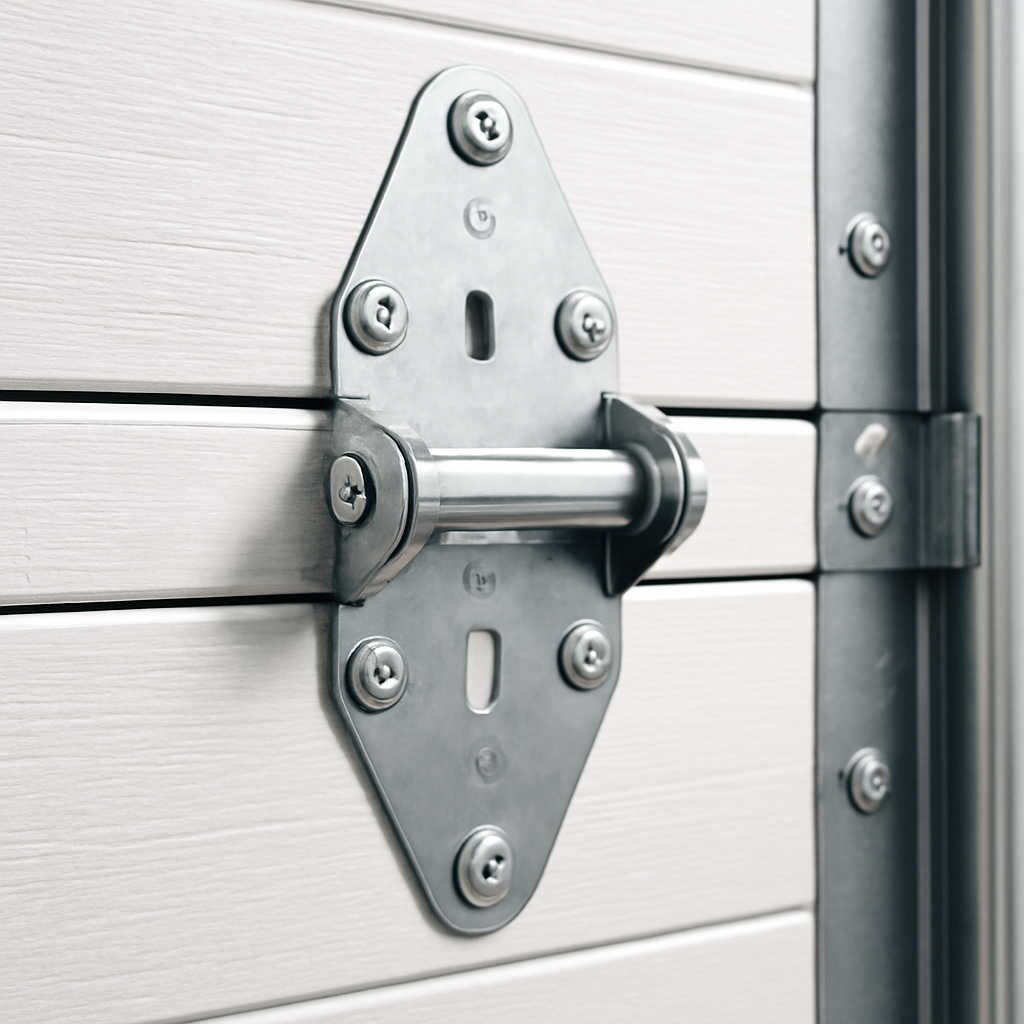
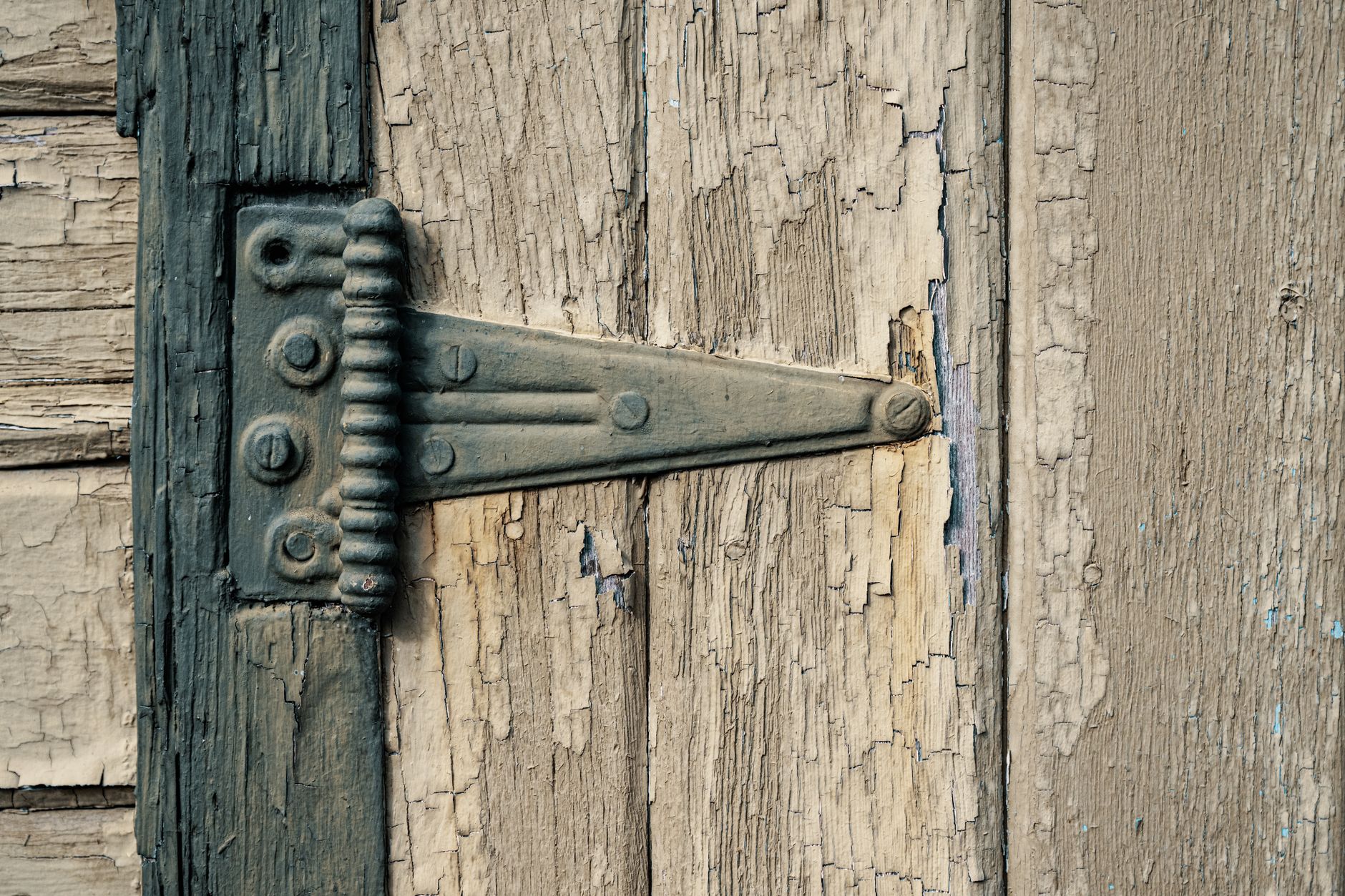
Garage door hinges aren’t interchangeable. Each hinge number corresponds to a specific location on the door, and using the wrong number in the wrong place causes premature wear and misalignment.
| Hinge Number | Position on Door | Notes |
|---|---|---|
| #1 | Bottom joint (between panels 1 and 2) | Most common, highest stress |
| #2 | Second joint (between panels 2 and 3) | Slightly different angle |
| #3 | Third joint (between panels 3 and 4) | Same as #2 on most doors |
| #4 / #5 | Upper joints on taller doors | Used on 8-foot doors |
| End hinges (L/R) | Outside edges of each panel | Connect panels to vertical tracks |
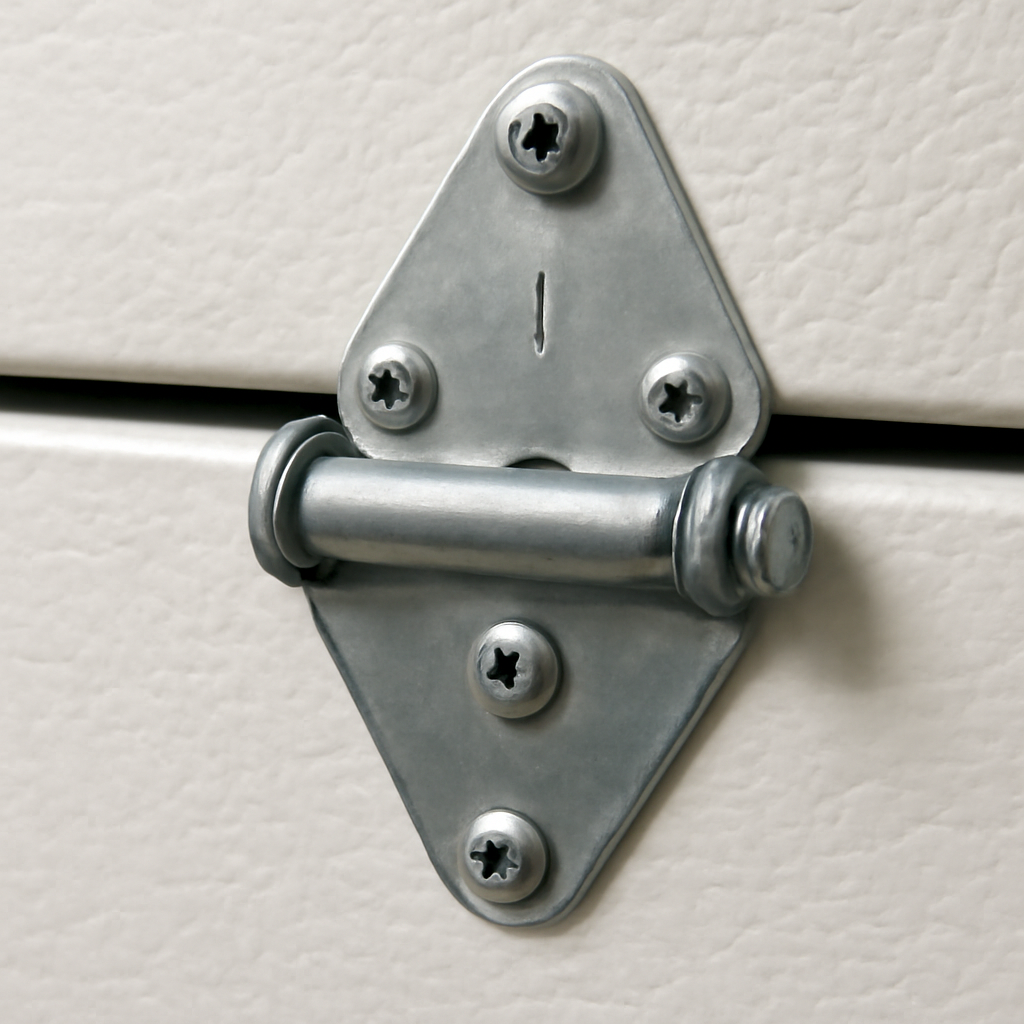
The number is stamped directly on the hinge. If you can’t read it, count up from the bottom: the first joint gets a #1, the second gets a #2. It’s that simple.
Best Garage Door Hinges in 2026
1. National Hardware N109-226 — Best Overall
National Hardware makes the most widely available and consistently reliable garage door hinges in the US market. The N109 series uses 14-gauge galvanized steel with pre-lubricated pins that hold up through years of daily cycles. They fit virtually all standard sectional doors from Wayne Dalton, Clopay, Amarr, and others.
What separates them from cheaper options: the pivot pin is solid steel, not hollow. Hollow pins crack under lateral stress — that’s the grinding noise you hear when a hinge is failing.
- Best for: Standard residential sectional doors
- Material: 14-gauge galvanized steel
- Fits: Most major brands
2. Ideal Security Garage Door Hinges — Best for Clopay and Other Major Brands
Clopay does not sell its genuine replacement hinges through Amazon — they are dealer and Home Depot exclusive. A universal heavy-duty hinge like Ideal Security’s numbered set fits the same panel spacing on Clopay and most other major sectional doors, and is easier to source quickly.
- Best for: Clopay and other major-brand door owners
- Available in: #1, #2, #3 (labeled by panel position)
- Material: Powder-coated steel
3. 14-Gauge Heavy-Duty Hinge Set — Best for Heavy Doors
Standard hinges are rated for doors up to about 130 lbs per section. If you have a double garage door, an insulated door, or a wood-faced steel door, the per-section weight can exceed that. A true 14-gauge heavy-duty set — if you’re unsure about your door’s weight, see our guide on how heavy a double garage door actually is — is noticeably thicker than lightweight 18-gauge hinges and holds up better on heavier sections.
- Best for: Heavy insulated or double doors
- Gauge: 14-gauge steel
- Set: #1 through #4 positions included
4. Galvanized Budget Hinge Set — Best Budget Pick
Everbilt hinges (Home Depot’s house brand) are a solid budget option, but their garage-specific hinges are not consistently stocked on Amazon. A comparable galvanized-finish set covers the same use case — interior or protected garages where corrosion isn’t a major concern — at a similar price point.
- Best for: Dry inland garages, budget replacements
- Material: Galvanized steel
- Availability: Amazon, Home Depot (Everbilt equivalent)
Signs Your Garage Door Hinges Need Replacing
Most hinges last 10,000 to 20,000 cycles — roughly 7 to 14 years of daily use. Here’s how to tell when they’re getting close to failure:
- Grinding or squealing: The pivot pin is worn or dry. Try lubricating first with a garage door-specific lubricant. If the noise continues after lubrication, the hinge is worn and needs replacement.
- Visible cracks: Especially at the pivot hole or the screw holes. A cracked hinge will fail completely — replace it before it does.
- Sagging panel: One panel droops at the edge. Usually caused by a failing end hinge, not the center hinges.
- Loose screws that won’t tighten: The screw holes in the panel have stripped. You need a hinge with a slightly larger bolt pattern, or insert wooden dowels into the old holes and re-drill.
How to Replace a Garage Door Hinge (DIY)
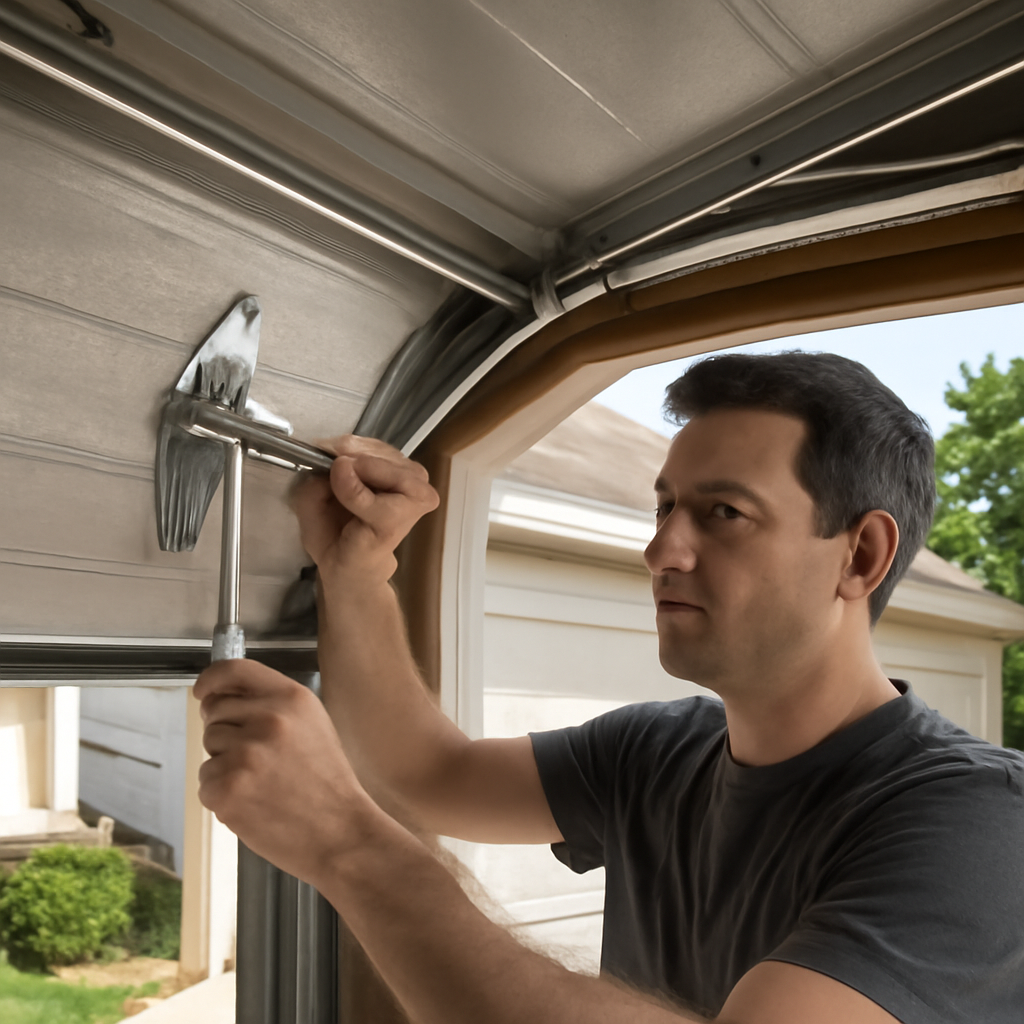
Replacing a standard center hinge is a safe DIY job. End hinges — the ones on the outside edges that connect to the vertical track — require more care because they’re under spring tension. Never touch the bottom bracket or bottom end hinge with the door closed and springs loaded. That’s a professional job.
| Field | Detail |
|---|---|
| DIY Suitability | Center hinges: safe DIY. Bottom end hinges: professional required |
| Safety Risk Level | Low for center hinges / High for bottom brackets |
| Tools needed | Socket wrench or drill, 5/16″ bolt set |
| Time estimate | 15–30 minutes per hinge |
| Cost | $5–15 per hinge DIY / $75–$150 labor if professional |
To replace a center hinge: open the door fully so the section with the bad hinge is horizontal and under no tension. Remove the old hinge bolts, swap the hinge, and torque the new bolts to snug-firm — around 10–15 ft-lbs. Don’t overtighten or you’ll crack the panel.
For lubrication after installation, use a dedicated garage door lubricant like WD-40 Specialist Garage Door Lubricant or 3-IN-ONE Garage Door Lubricant. Avoid standard WD-40 or grease — they attract dirt and gum up the pivot over time. See our guide on the best maintenance products for garage doors for more on keeping hardware in top shape.
For standard specifications on residential garage door hardware, the Door and Access Systems Manufacturers Association (DASMA) publishes technical guidelines used by all major manufacturers.
If you are replacing hinges as part of a full tune-up, do not forget to lubricate them afterwards — our guide on the best lubricant for garage door hinges tells you exactly what to use.
Frequently Asked Questions
How do I know what size garage door hinges I need?
Look at the number stamped on your existing hinge — it’s usually on the flat plate near the pivot point. That number (1 through 5) tells you the position and angle. #1 hinges go on the bottom joint, #2 on the second joint, and so on. End hinges are labeled left and right (L/R) and are position-specific.
Are garage door hinges universal?
Center hinges are nearly universal across major brands — National Hardware, Clopay, Amarr, Wayne Dalton, and CHI all use the same standard bolt spacing. End hinges are less universal and are more likely to require brand-specific replacements. When in doubt, bring the old hinge to a hardware store to match the bolt pattern.
How often should garage door hinges be lubricated?
Lubricate all hinges once a year, or any time you hear squeaking or grinding during door operation. Use a garage door-specific spray lubricant — not WD-40, grease, or oil. Apply a small amount to the pivot pin and wipe away excess. Over-lubrication attracts dust and accelerates wear.
Can I replace just one garage door hinge?
Yes. You don’t need to replace all hinges at once. If one hinge is cracked or worn, replace it individually. That said, if your door is more than 10 years old and one hinge is failing, the others are likely reaching the end of their lifespan too. Replacing all hinges at once while you have the tools out saves a repeat job in 6 months.
What gauge steel should garage door hinges be?
14-gauge galvanized steel is standard for residential doors up to about 130 lbs per section. For heavier insulated or double doors, look for 11-gauge or 12-gauge options. The lower the gauge number, the thicker the steel. Avoid any hinge thinner than 16-gauge — they’re too light for daily garage door use and will fail prematurely.
Related Guides
For our other buying guides, see Best Retractable Garage Screen Doors, Best Garage Door Opener With Battery Backup, Best Magnetic Garage Door Screen, Best Screw Drive Garage Door Opener, Best 1/2 HP Chain Drive Garage Door Opener, Best 3/4 HP Belt Drive Garage Door Opener, Best Garage Door Opener for Heavy Doors, Best Alexa-Enabled Garage Door Opener, Best Garage Door Openers With WiFi and Best Genie Garage Door Opener.