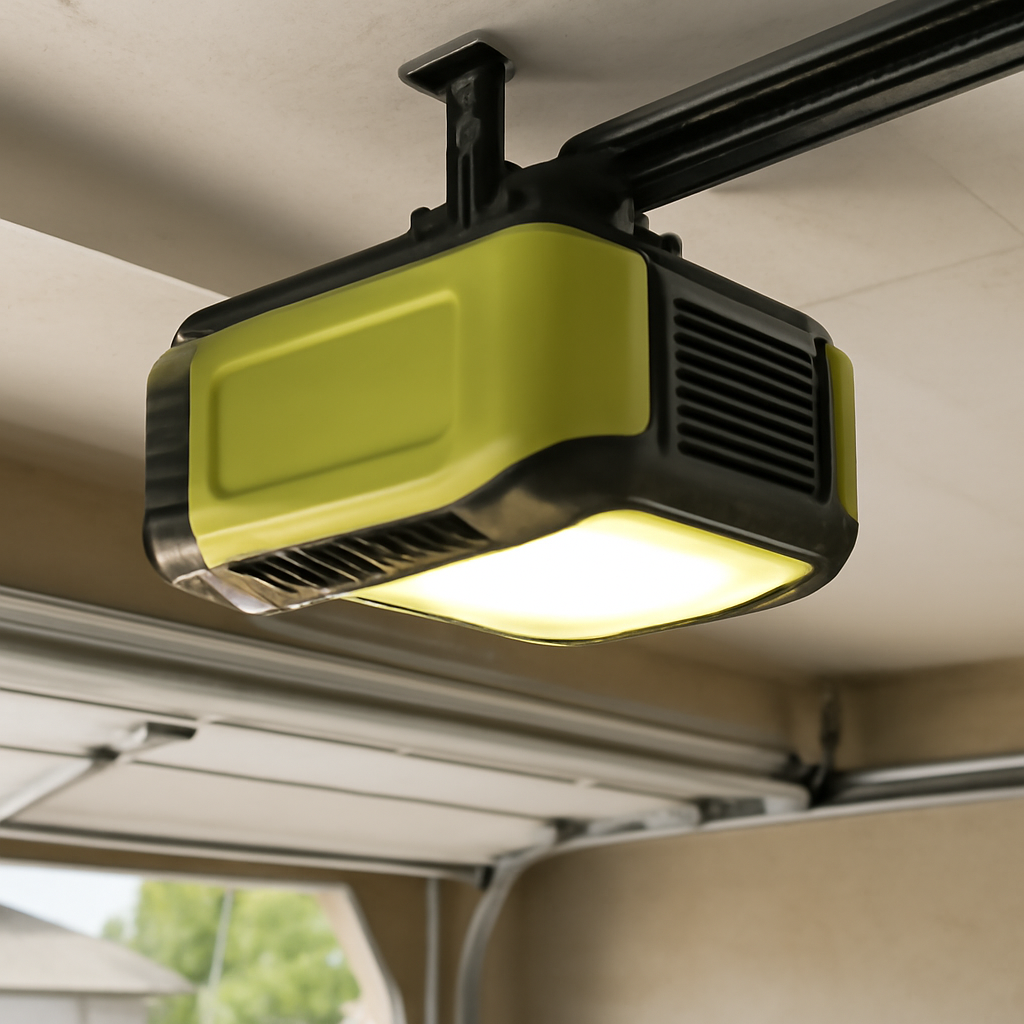
If you’ve been searching for a Ryobi garage door opener recall, you’re not alone. Thousands of homeowners have raised concerns about Ryobi openers after Techtronic Industries (TTI) — the company that made Ryobi-branded openers — quietly exited the garage door opener market. This page covers every known recall, safety issue, and what your options are right now.
The short version: there is no active federal recall of Ryobi garage door openers as of 2026. But there are real safety concerns worth knowing about, and the brand’s exit from the market creates specific problems for current owners.
Quick Answer
Short Answer: As of 2026, there is no active CPSC recall on Ryobi garage door openers. However, Ryobi exited the garage door opener market and parts are no longer manufactured. If your Ryobi opener is malfunctioning — especially if safety sensors are failing — replacement is the safest option since repair parts are increasingly unavailable.
Is There an Active Ryobi Garage Door Opener Recall?
The U.S. Consumer Product Safety Commission (CPSC) maintains a public database of all product recalls. As of 2026, there is no active recall specifically targeting Ryobi garage door openers.
That said, the CPSC has issued recalls on garage door openers from other brands in the past — most commonly due to safety sensor failures that allow doors to close on people or objects. If you’re seeing your Ryobi opener behave erratically, ignoring obstacles, or failing to reverse when it should, that’s a safety issue regardless of whether a formal recall exists.
You can check the official CPSC recall database yourself at cpsc.gov/Recalls by searching “garage door opener” for the most current information.
Why Ryobi Garage Door Openers Were Discontinued
Ryobi garage door openers were manufactured and sold by Techtronic Industries (TTI), the same company behind Milwaukee Tool and Ridgid. Around 2022–2023, TTI quietly stopped producing new Ryobi garage door opener units and withdrew from that product category entirely.
The reason was never officially stated, but industry observers pointed to three factors: thin profit margins in the opener market compared to power tools, difficulty competing with LiftMaster and Chamberlain’s established dealer networks, and increasing complexity of smart home integration requirements.
What this means for you as a current owner:
- No new Ryobi opener models will be released
- Replacement parts (logic boards, drive gears, sensors) are becoming harder to find
- Official warranty support has ended for most models
- The Ryobi app and Wi-Fi connectivity features may degrade as server support ends
Known Safety Issues With Ryobi Garage Door Openers
Even without a formal recall, several recurring issues have been reported by Ryobi opener owners that have real safety implications.
| Issue | Symptoms | Safety Risk | DIY Fix? |
|---|---|---|---|
| Safety sensor failure | Door closes on objects, won’t reverse | High | Check alignment first; replace sensors if needed |
| Logic board failure | Random operation, no response | Medium | Boards unavailable new; seek used parts |
| Drive gear stripping | Motor runs but door doesn’t move | Low | Yes, if part available |
| Wi-Fi module failure | App stops connecting | Low | Yes, workarounds available |
| Limit switch drift | Door stops short or runs past open/close | Medium | Yes, adjust via settings |
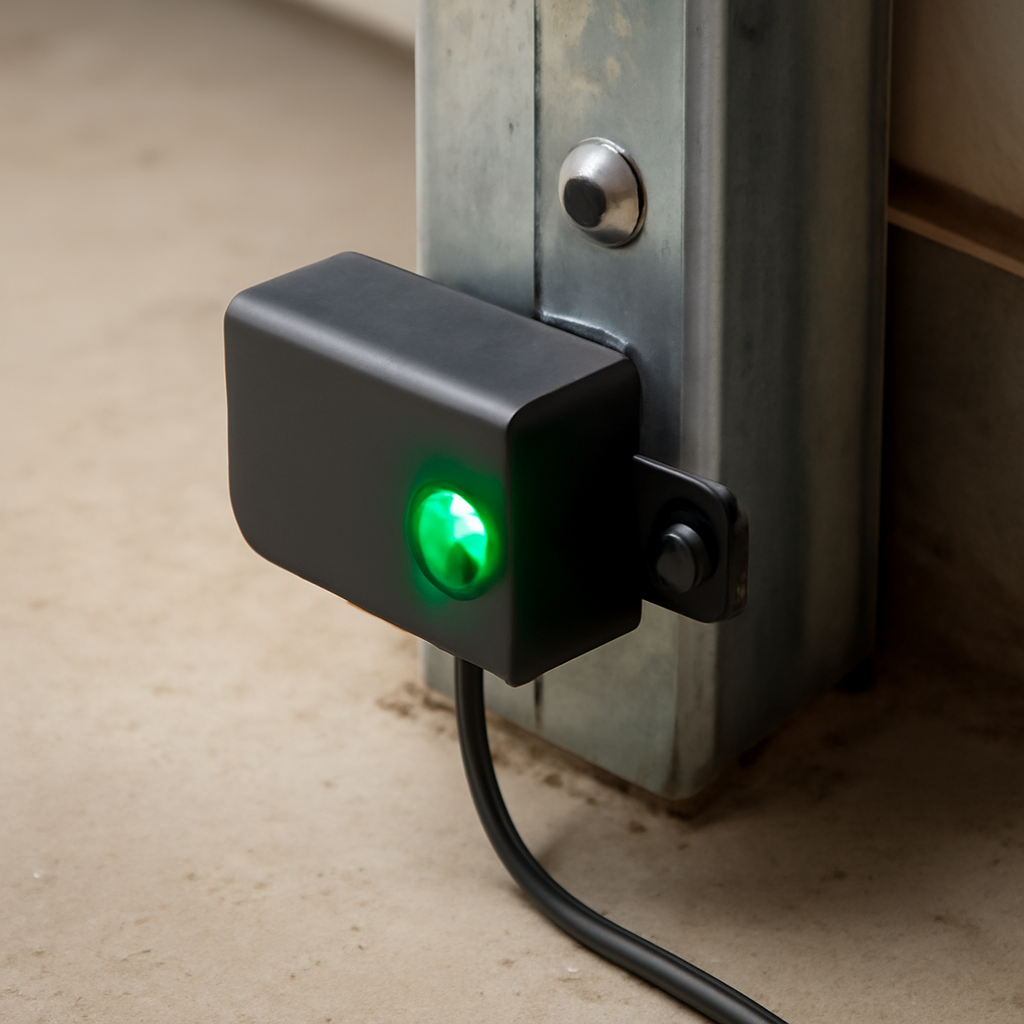
The most serious issue is safety sensor failure. UL 325 — the safety standard that all US garage door openers must meet — requires that openers reverse within 2 seconds of contact with an obstacle. If your Ryobi opener is failing to reverse, stop using it until the sensors are fixed or the unit is replaced.
What to Do If Your Ryobi Opener Is Malfunctioning
Before assuming the worst, run through these checks. Many Ryobi problems that look serious are actually simple fixes.
- Check the safety sensors: Clean the lenses with a dry cloth. Realign them so both LED indicators show solid (not blinking). Most sensor issues are just dirt or a slight bump out of alignment.
- Reset the opener: Hold the reset button on the motor unit for 10 seconds until the lights flash. This clears any corrupted settings.
- Check for obstacle detection issues: Adjust the force settings on the motor unit. Over time, these drift and the opener may not apply enough force to trigger reversal.
- Update the app: If Wi-Fi features are failing, check for firmware updates in the Ryobi app before assuming the unit has failed.
If your Ryobi opener is several years old and showing multiple issues, parts scarcity makes repair increasingly impractical. At that point, replacement is the smarter financial decision. See our full Ryobi garage door opener troubleshooting guide for step-by-step fixes before you decide.
Should You Replace Your Ryobi Opener Now?
You don’t need to rush out and replace a working Ryobi opener today. If it’s operating safely — reversing properly, sensors functioning, remote responding — it will continue to work until a component fails.
The problem is what happens when something does fail. Logic boards are the most expensive repair, running $80–$150 for aftermarket parts when available. Drive gears run $15–30. Safety sensors are $20–40. None of these are available new from Ryobi anymore — you’re looking at used parts from eBay or third-party suppliers, with no guarantee of compatibility.
If your opener is showing any of the safety-related symptoms in the table above, replace it. The cost of a new LiftMaster or Chamberlain belt drive opener runs $200–$350 installed, and you’ll have full parts availability and warranty coverage for years.
If you’re shopping for a replacement, our guide to the best garage door openers with battery backup covers the top options that include modern safety features and long-term parts support.
How to Check If Your Specific Model Has Any Safety Notices
Ryobi released several garage door opener models under the GDO series: GD200, GD201, GDO200B, GDO201B, GDO100, and others. To check if your specific model has any safety notices:
- Go to cpsc.gov/Recalls and search your model number
- Check the Ryobi support page at ryobitools.com for any posted notices
- Search your model number on the CPSC SaferProducts.gov complaint database
If you purchased your opener within the last few years and believe it has a defect, you can file a report at SaferProducts.gov. This data helps the CPSC identify patterns that may trigger formal recalls in the future.
If you are replacing your Ryobi opener, read our best screw drive garage door opener guide to find a reliable 2026 replacement model.
Frequently Asked Questions
Has Ryobi recalled any garage door openers?
There is no active CPSC recall of Ryobi garage door openers as of 2026. You can verify this yourself at cpsc.gov/Recalls. However, Ryobi has discontinued its entire garage door opener product line, meaning parts and support are no longer available from the manufacturer for any model.
Is it safe to keep using a Ryobi garage door opener?
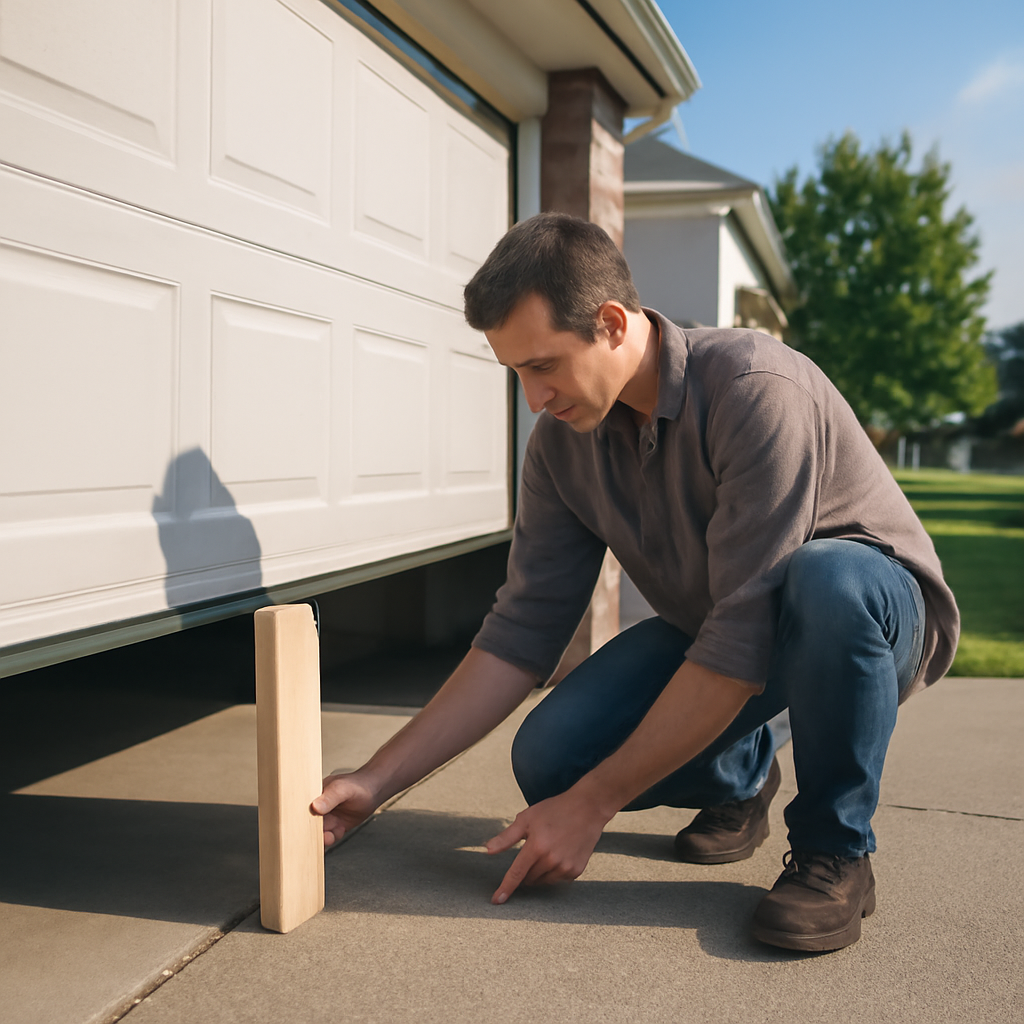
Yes, if it’s working correctly. Test the safety reversal function monthly by placing a 2×4 flat on the ground under the door and closing it — it should reverse on contact. If it doesn’t reverse, stop using it immediately. A functioning Ryobi opener is safe to use even though the brand is discontinued.
Can I get replacement parts for a Ryobi garage door opener?
Official Ryobi replacement parts are no longer manufactured. Some aftermarket and used parts are available through eBay, Amazon third-party sellers, and specialty garage door parts suppliers. Compatibility varies by model. Logic boards are the hardest to source; drive gears and sensors are more commonly available from universal-fit suppliers.
What replaced Ryobi garage door openers?
Ryobi hasn’t announced a replacement product. The garage door opener market is now dominated by LiftMaster, Chamberlain, Genie, and Craftsman. For smart home features similar to what Ryobi offered, LiftMaster’s MyQ-enabled models and Chamberlain’s B series are the closest direct replacements in the same price range.
How do I know if my Ryobi opener safety sensors are working?
Both sensor LEDs should glow solid — one green, one amber. If either is blinking, the sensors are misaligned or obstructed. Place your hand in the sensor beam while the door is closing — it should immediately stop and reverse. If it doesn’t reverse, adjust the sensors until both lights are solid, then test again before using the opener normally.
Related Guides
For other Ryobi opener guides, see How to Connect WiFi to a Ryobi Garage Door Opener, Is the Ryobi Garage Door Opener Compatible with Alexa? and How to Factory Reset Your Ryobi Garage Door Opener.