
Your Genie garage door opener runs but the door stops short, goes too far, or reverses for no reason. Nine times out of ten, the limit switch is the culprit. The limit switch tells your opener where the door should stop when opening and closing. When it’s off, the door behaves erratically — and it’s one of the easiest fixes you can do yourself.
This guide walks through every Genie limit switch problem, what causes it, and exactly how to fix it.
Quick Answer
Short Answer: Genie limit switch problems cause the garage door to stop short, overshoot, or reverse unexpectedly. On screw-drive models, the limit is set by plastic tabs on the drive rail. On belt and chain models, two adjustment screws on the motor unit control open and close travel. Most fixes take 10–20 minutes with a flathead screwdriver and require no special tools.
How Genie Limit Switches Work
The limit switch is a sensor that tells the opener’s logic board when the door has reached its fully open or fully closed position. When the door hits that position, the motor stops. If the limit is set too short, the door stops before it’s fully open or closed. If it’s set too far, the door overshoots — and the opener’s built-in safety system may trigger a reversal.
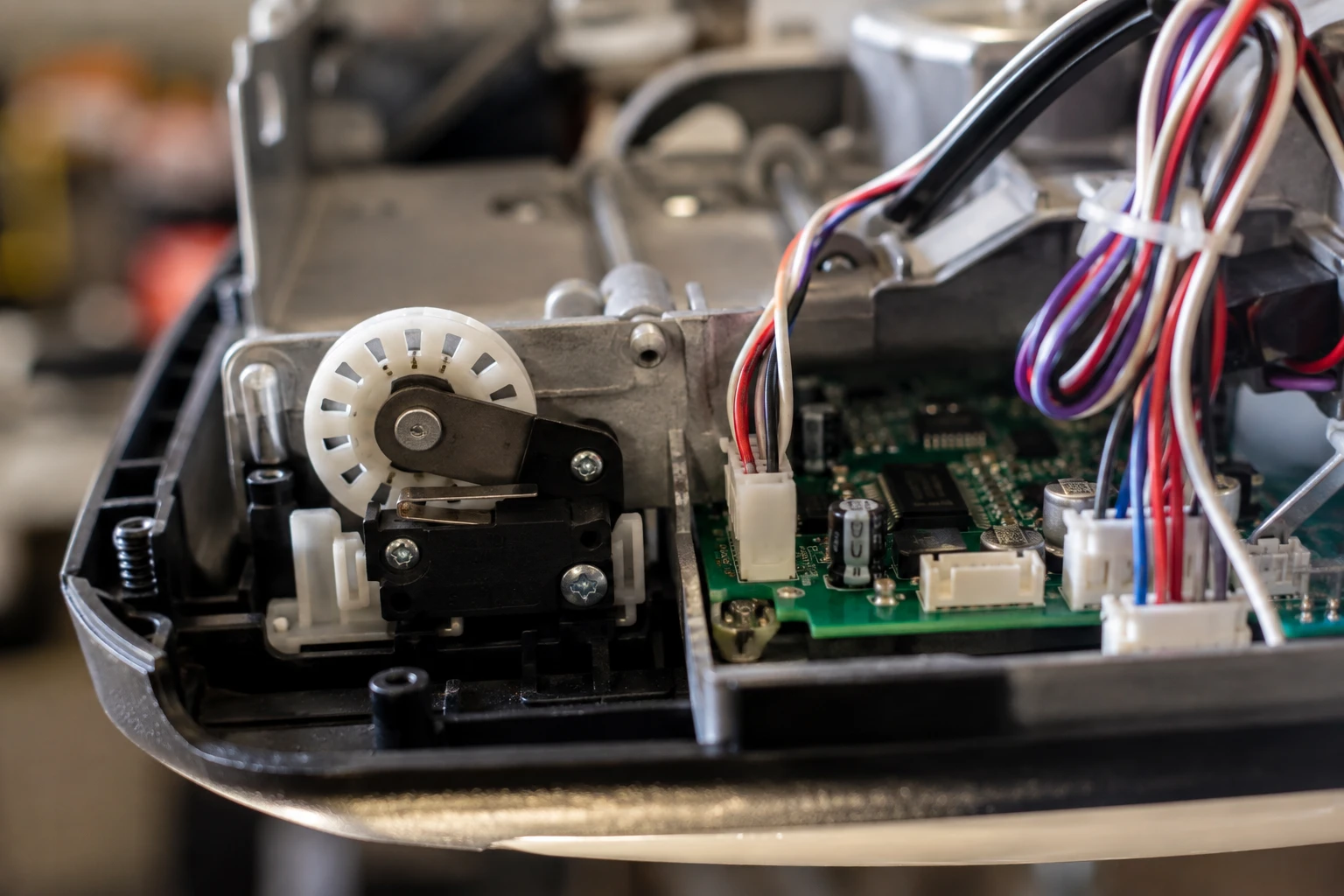
Genie uses two different limit systems depending on the drive type. Screw-drive models use physical plastic limit tabs mounted on the drive rail. Belt-drive and chain-drive models use electronic limit adjustment screws on the motor housing. Knowing which type you have is the first step.
| Drive Type | Limit System | Adjustment Method |
|---|---|---|
| Screw-drive (e.g., 3120H, 4062) | Physical tabs on drive rail | Slide or reposition tabs |
| Belt-drive (e.g., 7155-TKV) | Electronic limit screws | Turn OPEN/CLOSE screws |
| Chain-drive (e.g., ChainMax 1000) | Electronic limit screws | Turn OPEN/CLOSE screws |
Common Genie Limit Switch Problems and Fixes
| Symptom | Probable Cause | DIY Fix? | Risk Level | Time |
|---|---|---|---|---|
| Door stops 1–2 feet before fully open | Open limit set too short | Yes | Low | 10 min |
| Door won’t close all the way | Close limit set too short | Yes | Low | 10 min |
| Door reverses right before closing | Close limit overshoot triggering safety reverse | Yes | Low | 15 min |
| Door opens and immediately starts closing | Open limit overshot, motor reverses | Yes | Low | 15 min |
| Door won’t move at all | Limit tab broken or logic board fault | Partial | Medium | 30 min |
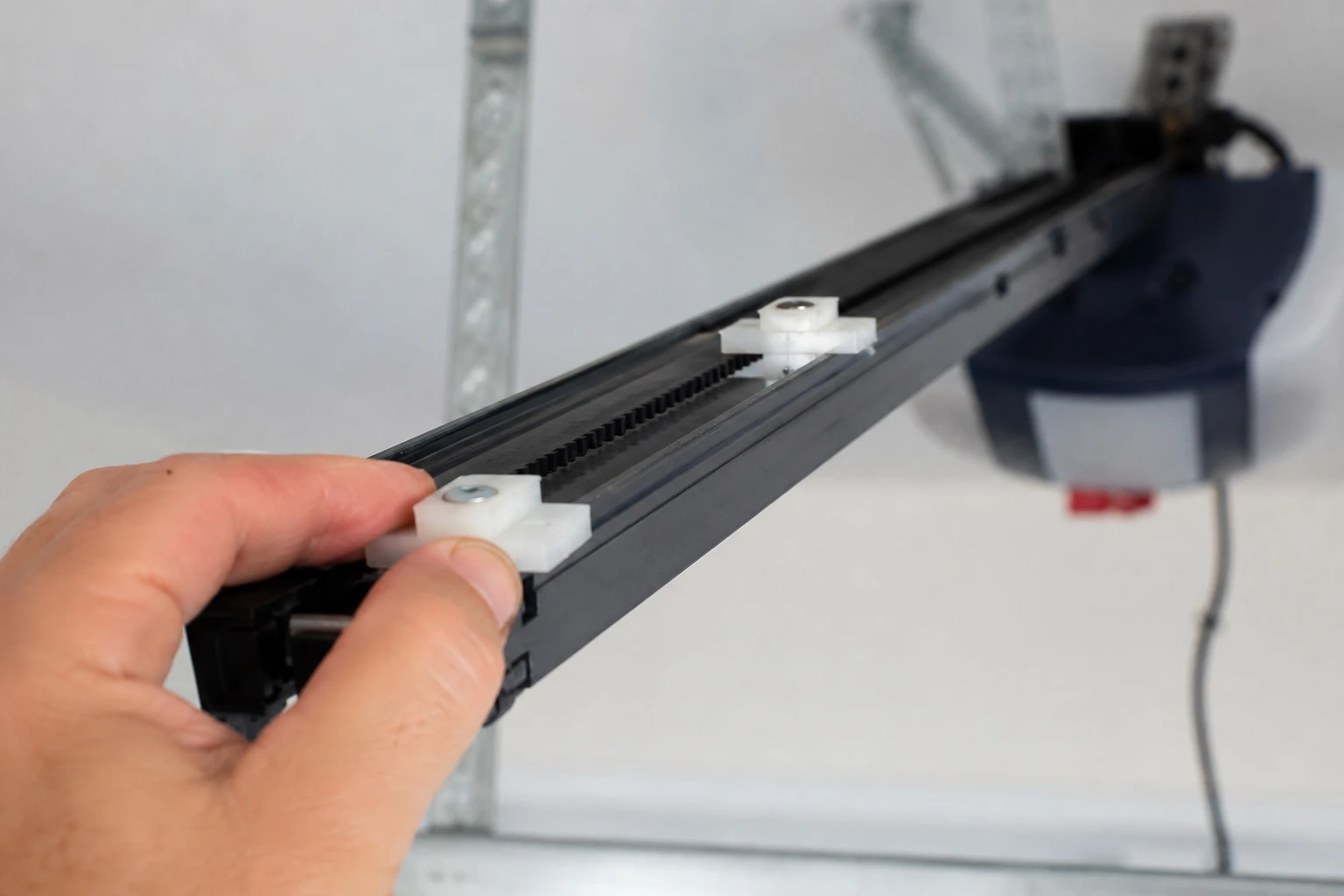
Fix 1: Adjusting Limits on Screw-Drive Genie Models
Screw-drive Genie openers have a long threaded rail with two plastic limit tabs — one for the open position and one for the close position. These tabs trigger a switch inside the trolley carriage as the door travels.
- Disconnect power to the opener.
- Locate the drive rail — it runs from the motor unit to the wall bracket above the door.
- Find the two plastic limit tabs on the rail. They’re usually white or yellow and can slide along the rail.
- For a door that stops short when opening, slide the open limit tab slightly further from the motor unit.
- For a door that won’t fully close, slide the close limit tab slightly closer to the motor unit.
- Reconnect power and test. Make small adjustments — each inch of tab movement equals roughly one inch of door travel.
After adjusting, always test the auto-reverse function. Lay a 2×4 flat on the ground under the door. The door must reverse within 2 seconds of touching the board. If it doesn’t, adjust the down-force setting as well — it’s a separate screw usually labeled FORCE or DOWN on the motor unit.
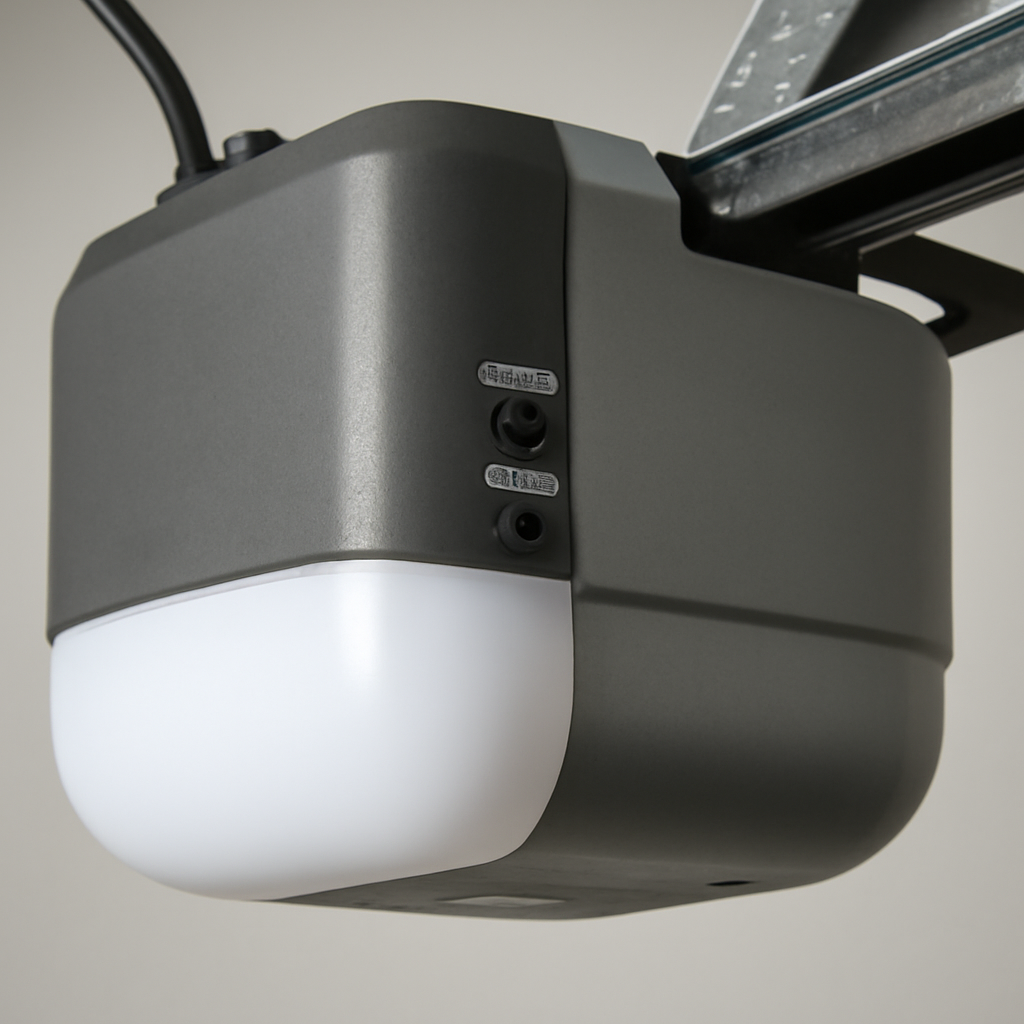
Fix 2: Adjusting Limits on Belt and Chain Genie Models
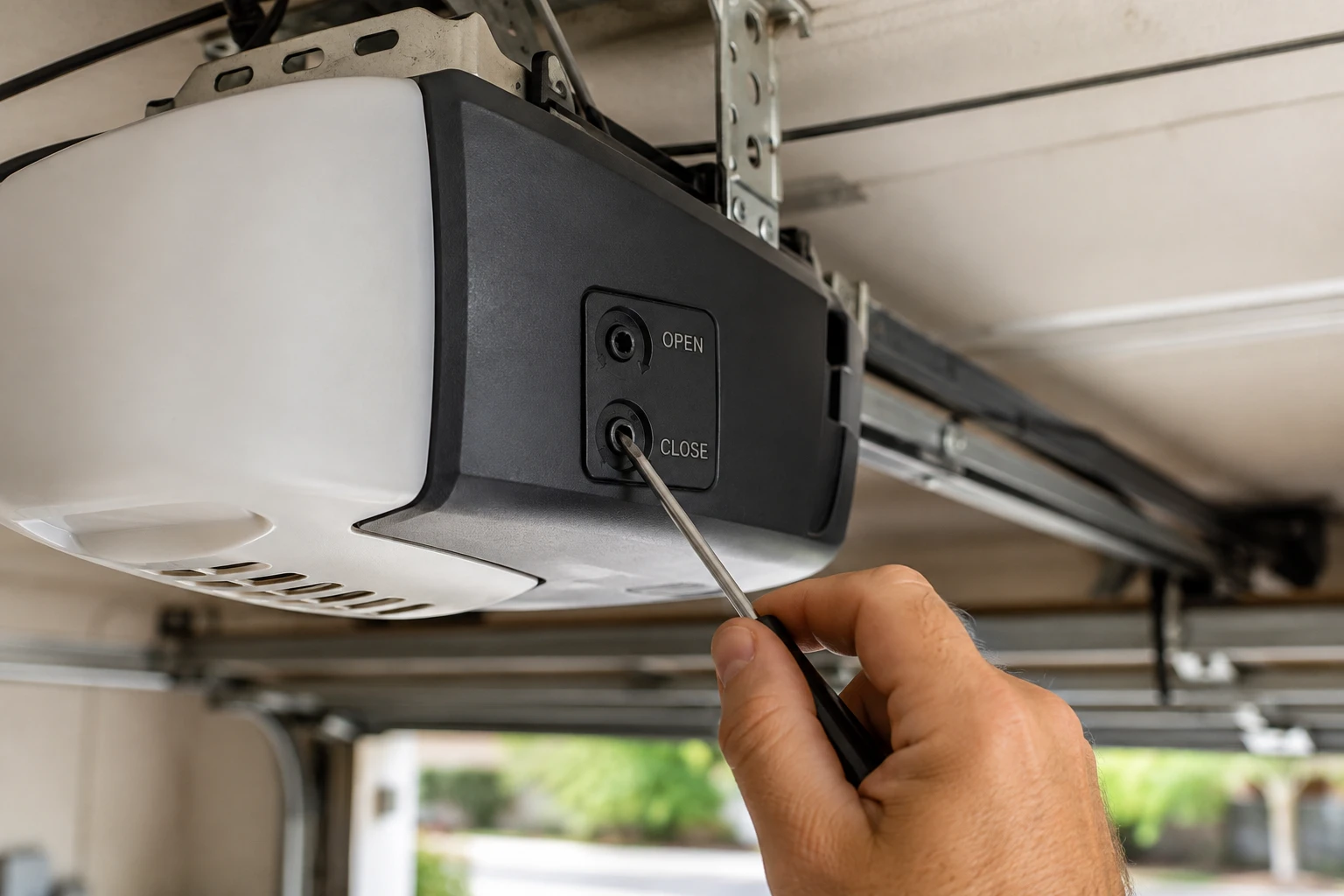
Belt-drive and chain-drive Genie openers use two small adjustment screws on the motor housing, typically on the back or side panel. They’re labeled OPEN and CLOSE (or UP and DOWN on older models).
- Locate the two limit screws on the motor unit. You’ll need a flathead screwdriver.
- To increase travel distance, turn the screw clockwise. To decrease it, turn counterclockwise.
- One full rotation equals approximately 2 inches of door travel.
- Make one turn at a time, then test the door before adjusting further.
- Test auto-reverse after each adjustment.
A common mistake is over-adjusting in one direction and then compensating too much in the other. Make small, deliberate turns. It’s faster to be patient here than to chase the adjustment back and forth.
Why the Door Reverses Before Closing
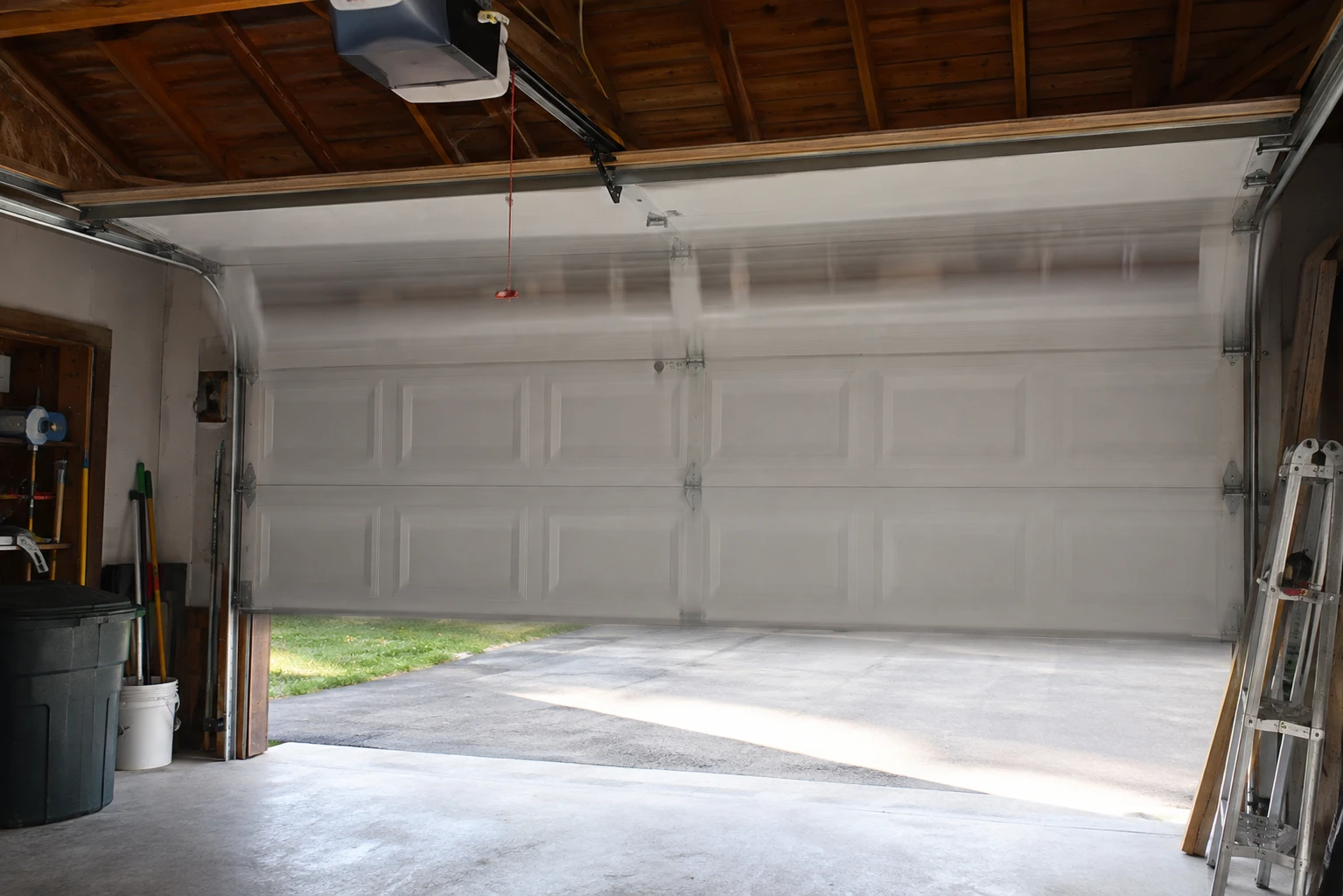
This is the most frustrating Genie limit switch symptom. The door starts closing, gets about 6 inches from the floor, then reverses back up. Most people assume it’s a sensor issue — but if both sensor LEDs are solid, it’s almost always the close limit overshot combined with a tight down-force setting.
When the close limit is set slightly too far, the door hits the floor and the motor keeps running for a fraction of a second. The opener reads that as resistance and triggers the safety reverse. The fix is to back off the close limit by half a turn and retest.
If the reversal happens consistently at the same spot — not just at the floor — check the door tracks for a bend or obstruction at that height. A dented track section creates resistance that mimics a limit problem.
When to Call a Professional
Most limit switch problems are DIY-safe. Call a professional if:
- The plastic limit tab on a screw-drive rail is cracked or broken — the tab itself needs replacement, which requires partial rail disassembly.
- The door still won’t travel correctly after multiple limit adjustments — the logic board may be failing.
- The motor runs but the drive mechanism doesn’t move the door — this is a drive gear or sprocket issue, not a limit problem.
A service call for a limit adjustment typically costs $75–$125. Logic board replacement runs $150–$250 with labor. Broken screw-drive rail components are usually $20–40 in parts, plus labor if you don’t install them yourself.
If your Genie door reverses unexpectedly, the sensors may also be involved — see our guide on Genie garage door sensor blinking red for a full diagnosis.
Limit switch problems often appear alongside beeping alerts — check what Genie beeping patterns mean to rule out other causes.
If adjusting the limit switch does not help, the opener may need replacing — our best screw drive garage door opener guide covers the top models for 2026.
Frequently Asked Questions
Where is the limit switch on a Genie garage door opener?
On screw-drive Genie models, the limit switches are plastic tabs on the drive rail above the door. On belt-drive and chain-drive models, the limits are set via two adjustment screws on the motor housing — usually labeled OPEN and CLOSE. Check the side or back panel of the motor unit.
Why does my Genie garage door stop halfway?
A Genie door that stops halfway is almost always a limit switch set too short, or an obstruction in the door track creating resistance. Check the open limit setting first. If the limit looks correct, inspect the tracks for bends, debris, or a roller that’s jumped out of the track.
How do I reset the limits on my Genie opener?
You can’t fully reset limits to a factory default on most Genie models — they require manual adjustment. However, performing a factory reset by holding the Learn button for 10 seconds will clear remote codes and some settings. After a reset, you’ll need to readjust both the open and close limits from scratch.
Can a dirty limit switch cause problems?
On screw-drive models, yes. The limit tabs and the contact switch inside the trolley can accumulate grease and debris over time. Cleaning the rail with a dry cloth and applying a light coat of Genie-approved lubricant (avoid WD-40 on the rail) can restore reliable switching without any mechanical adjustment.
How much does it cost to fix a Genie limit switch?
If you do it yourself, the fix is free — it’s just a screw adjustment or tab repositioning. Replacement limit tabs for screw-drive models cost $10–20. A professional service call for a limit adjustment typically runs $75–$125, depending on your area and the technician.
Related Guides
For other Genie opener guides, see Genie Garage Door Sensor Blinking Red 3 Times, Genie Garage Door Opener No Learn Button: DIP Switch Fix, Genie Cryptar II Garage Door Opener, Genie Model 450 Garage Door Opener, Best Genie Garage Door Opener, Genie Garage Door Opener Humming Sound, Does Genie Garage Door Opener Work With LiftMaster? and Genie Garage Door Opener Amp Draw.
For official manufacturer guidance, see The Genie Company’s official product support page.